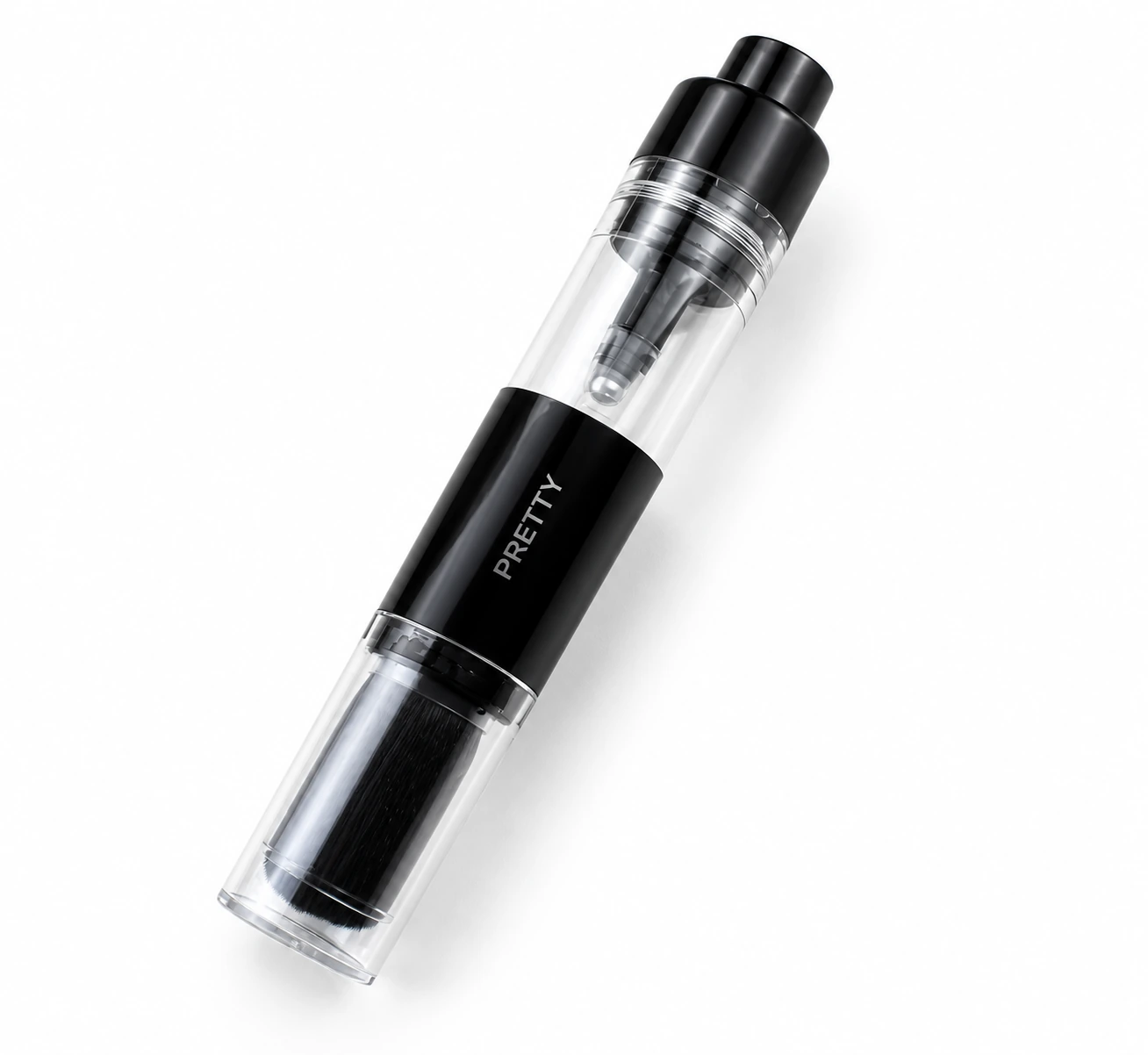
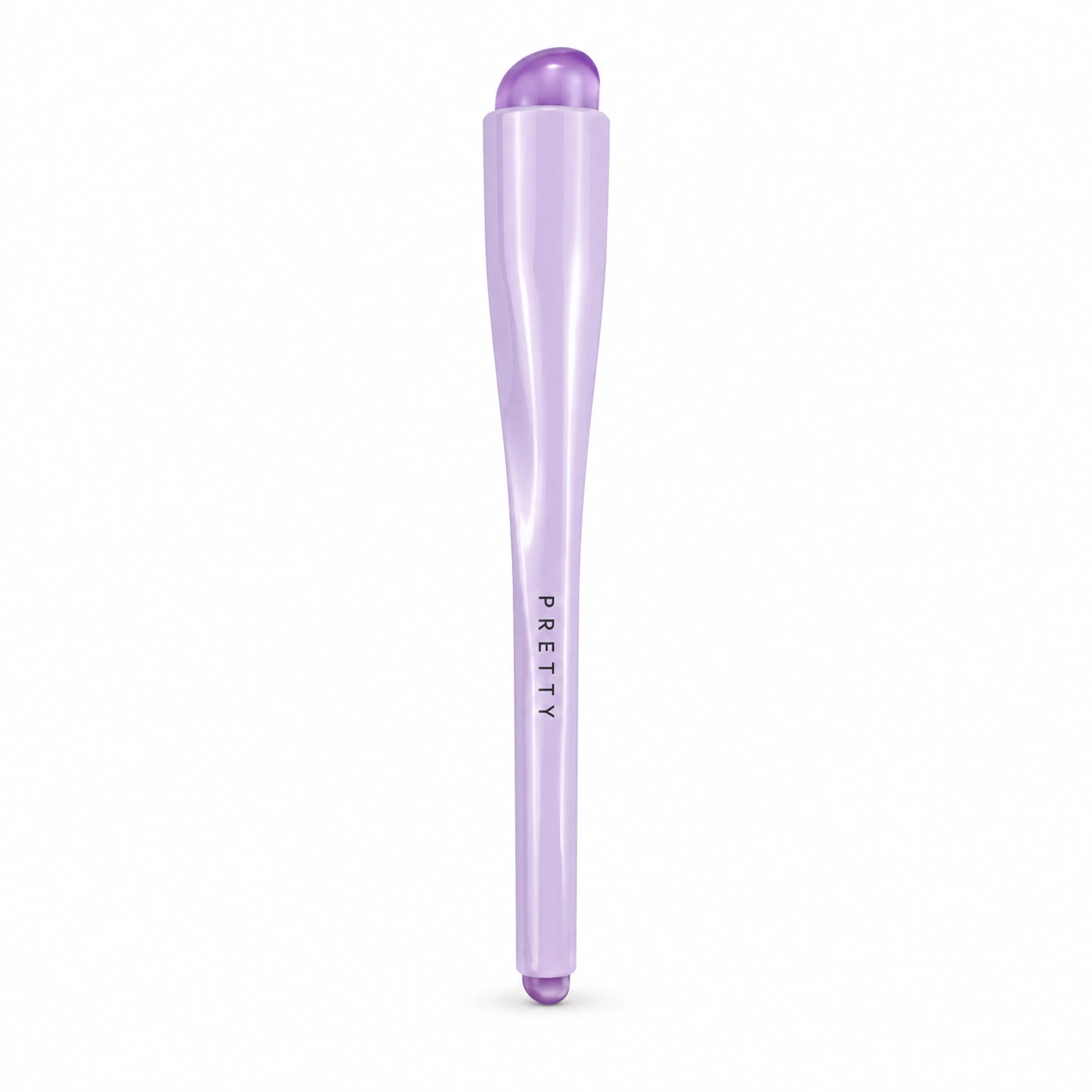
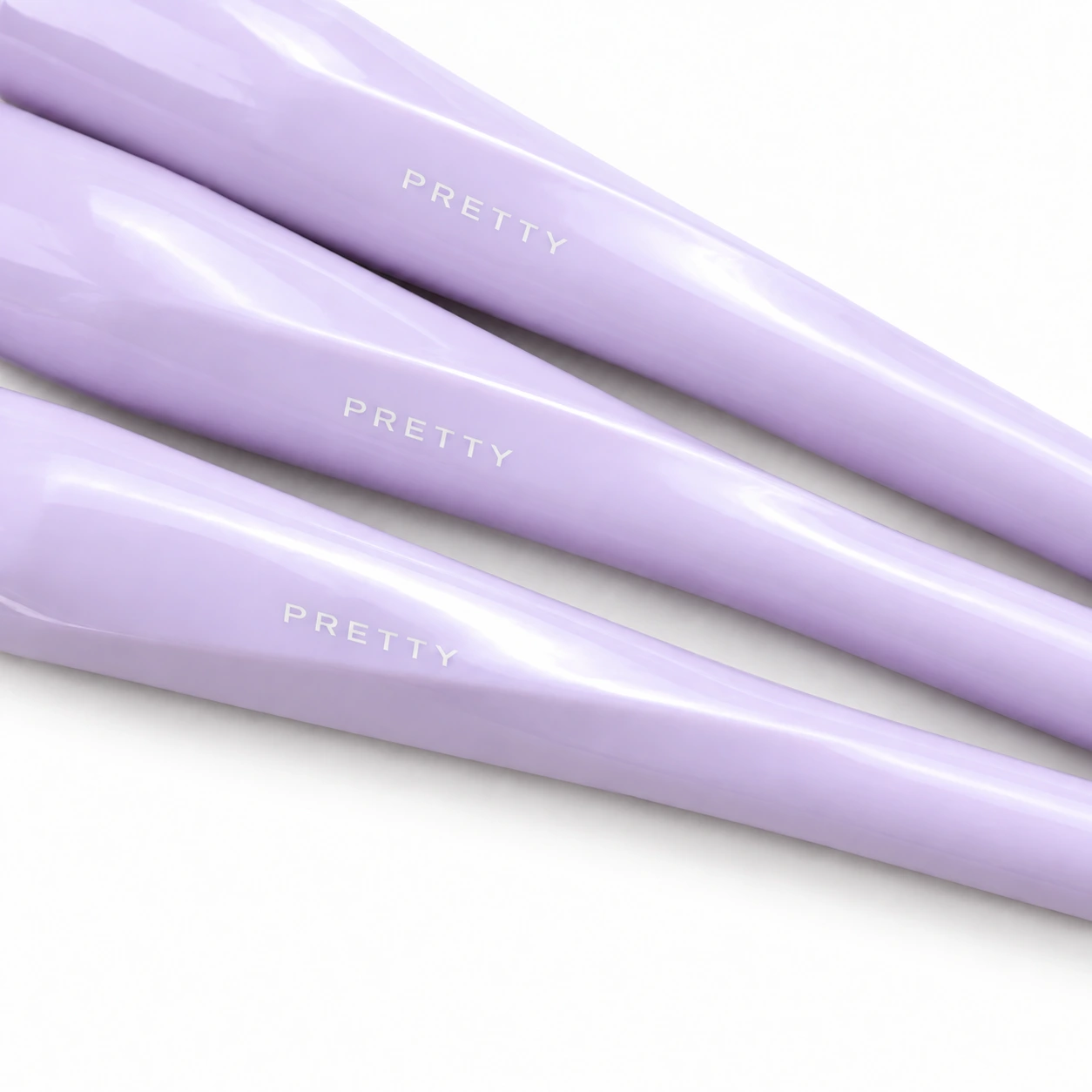
Explore cosmetic applicators, paddles and specialist tools alongside your brush collection. Choose the working surface and grip around the product your customer applies and the way the tool will be cleaned.
Use this faceted lavender accessory as a packaging or colour reference only.
Begin with the visible shape and the task it should perform. This reference alone cannot establish whether a surface is fibre, foam, silicone or another material.
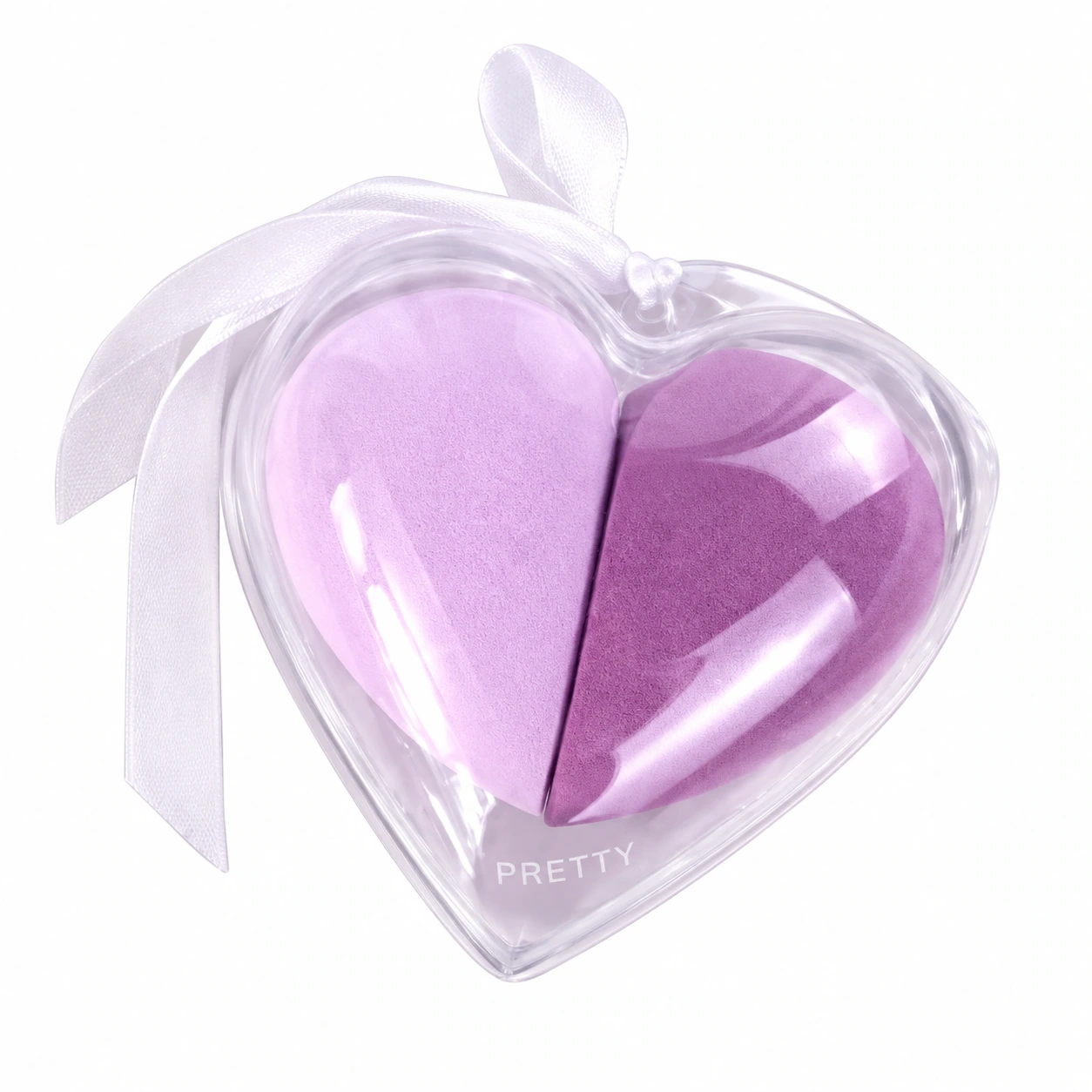
Explore a coordinated heart-case accessory beside a brush collection.
Begin with the visible shape and the task it should perform. This reference alone cannot establish whether a surface is fibre, foam, silicone or another material.
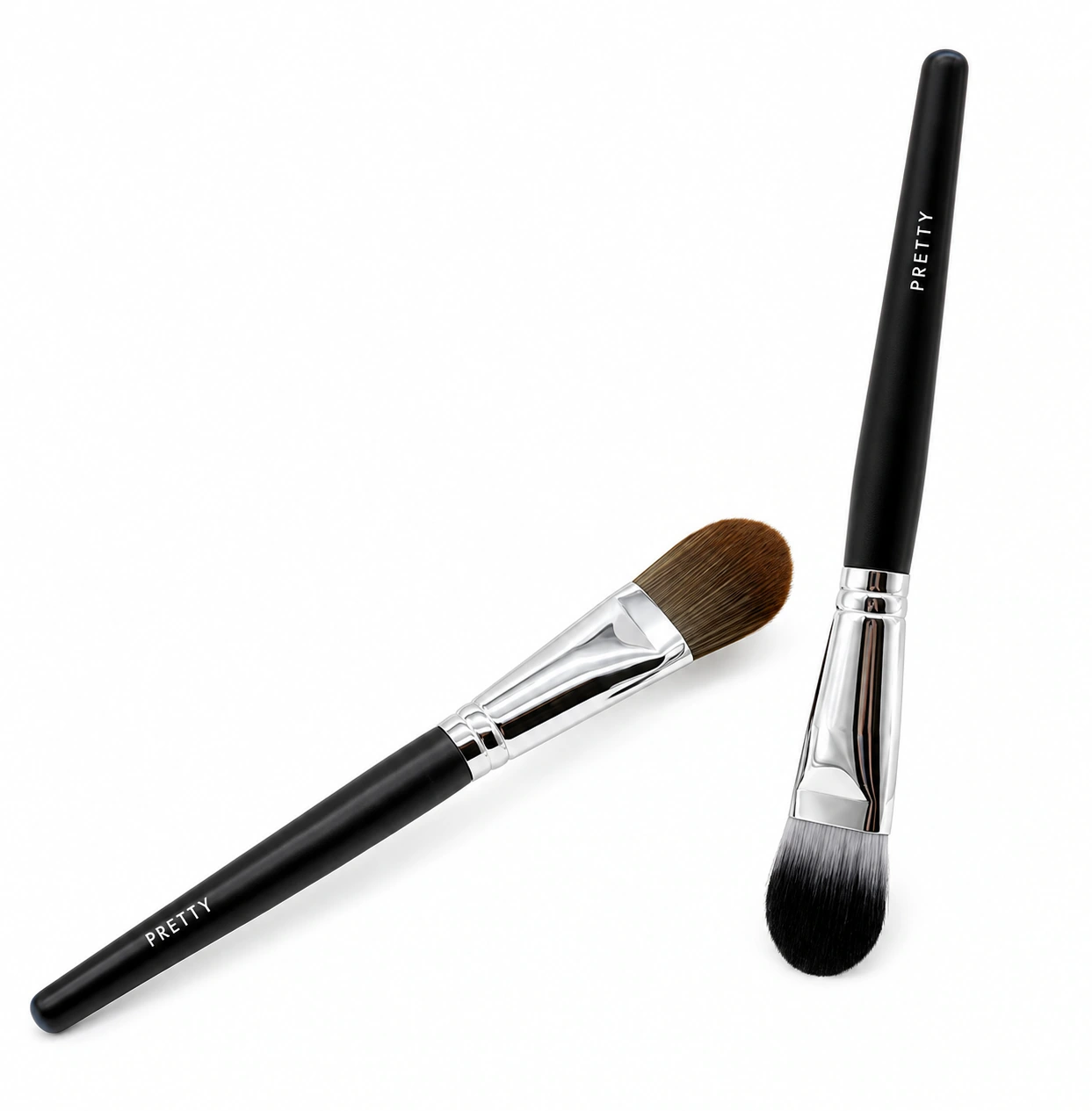
Compare two flat brush profiles for placement and small-area spreading.
Begin with the visible shape and the task it should perform. This reference alone cannot establish whether a surface is fibre, foam, silicone or another material.
Combine two unequal oval tips for broad placement and smaller detail work.
Specify the head shape, exposed length, density and flexibility together. Colour and appearance cannot identify a fibre or an animal species; composition needs confirmation.
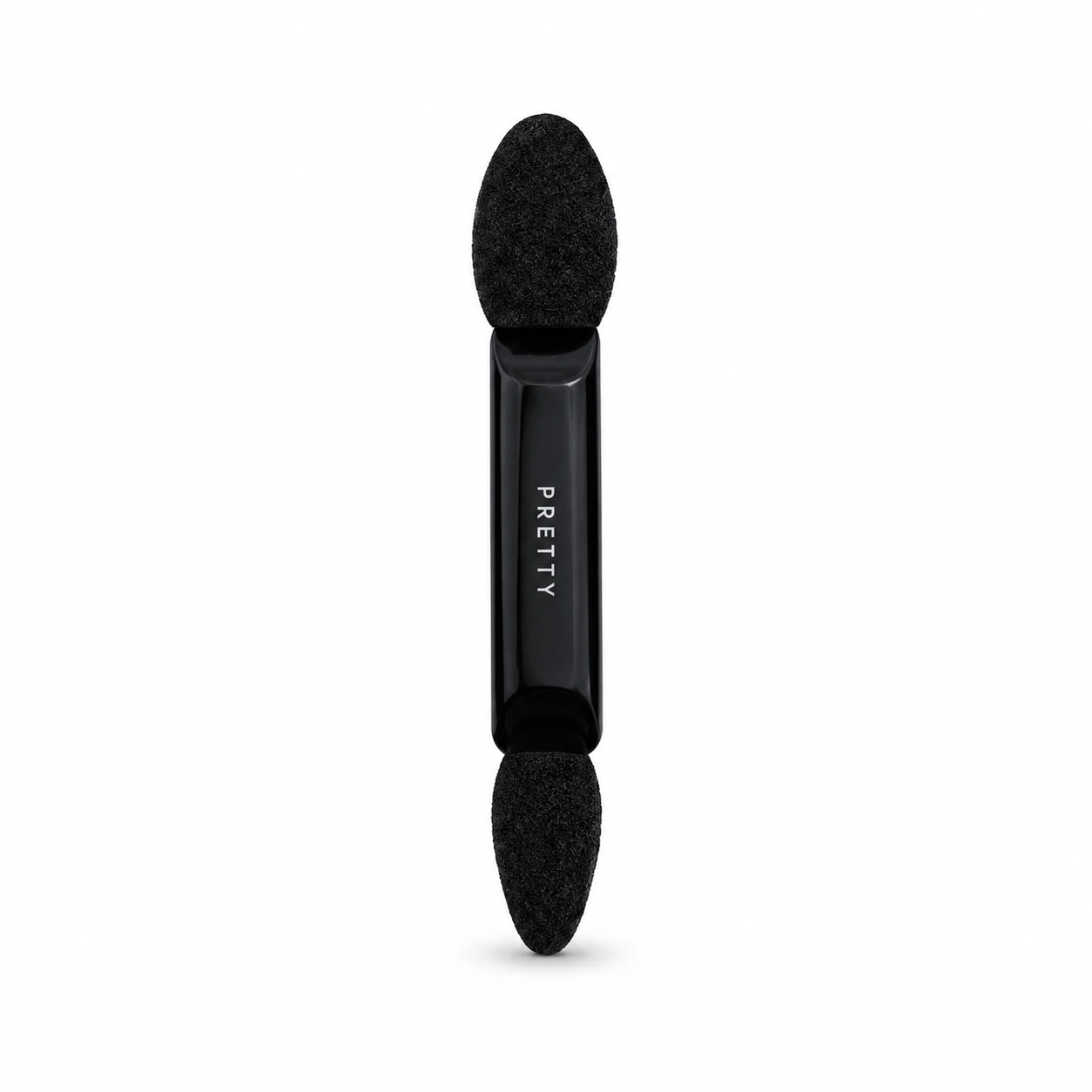
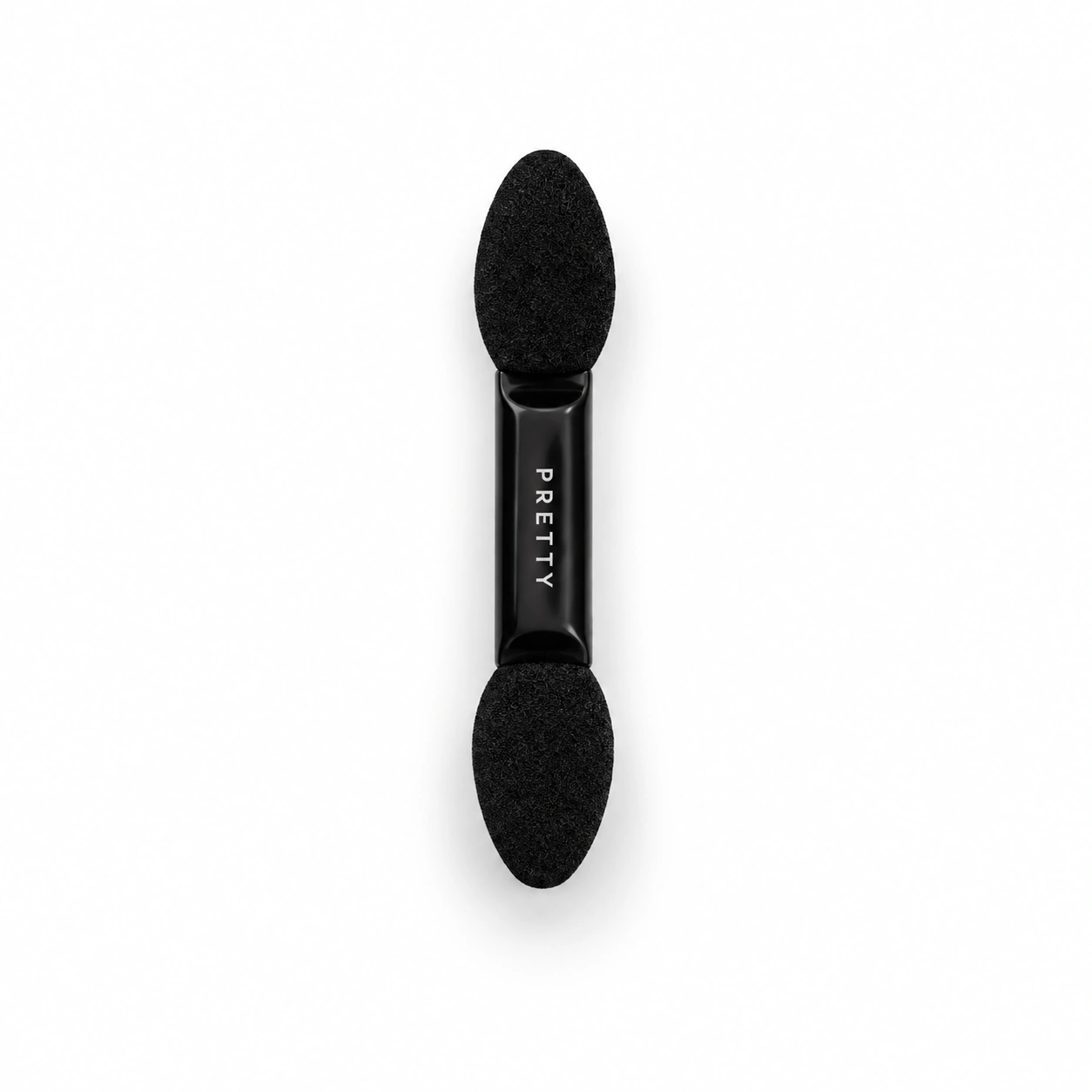
Use similar oval ends to separate two colours or application stages.
Specify the head shape, exposed length, density and flexibility together. Colour and appearance cannot identify a fibre or an animal species; composition needs confirmation.
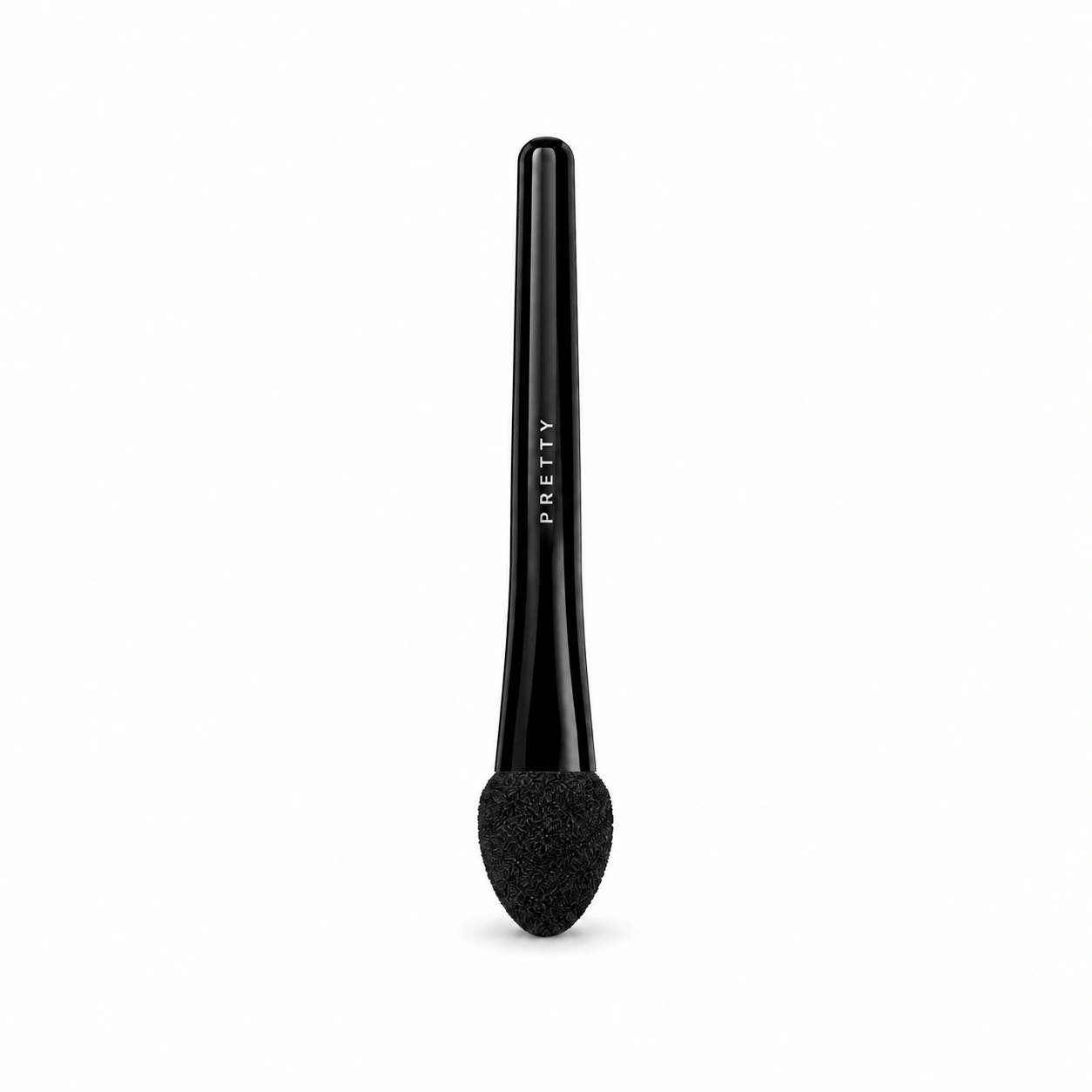
Develop a single oval-tip applicator with a longer unobstructed grip.
Specify the head shape, exposed length, density and flexibility together. Colour and appearance cannot identify a fibre or an animal species; composition needs confirmation.
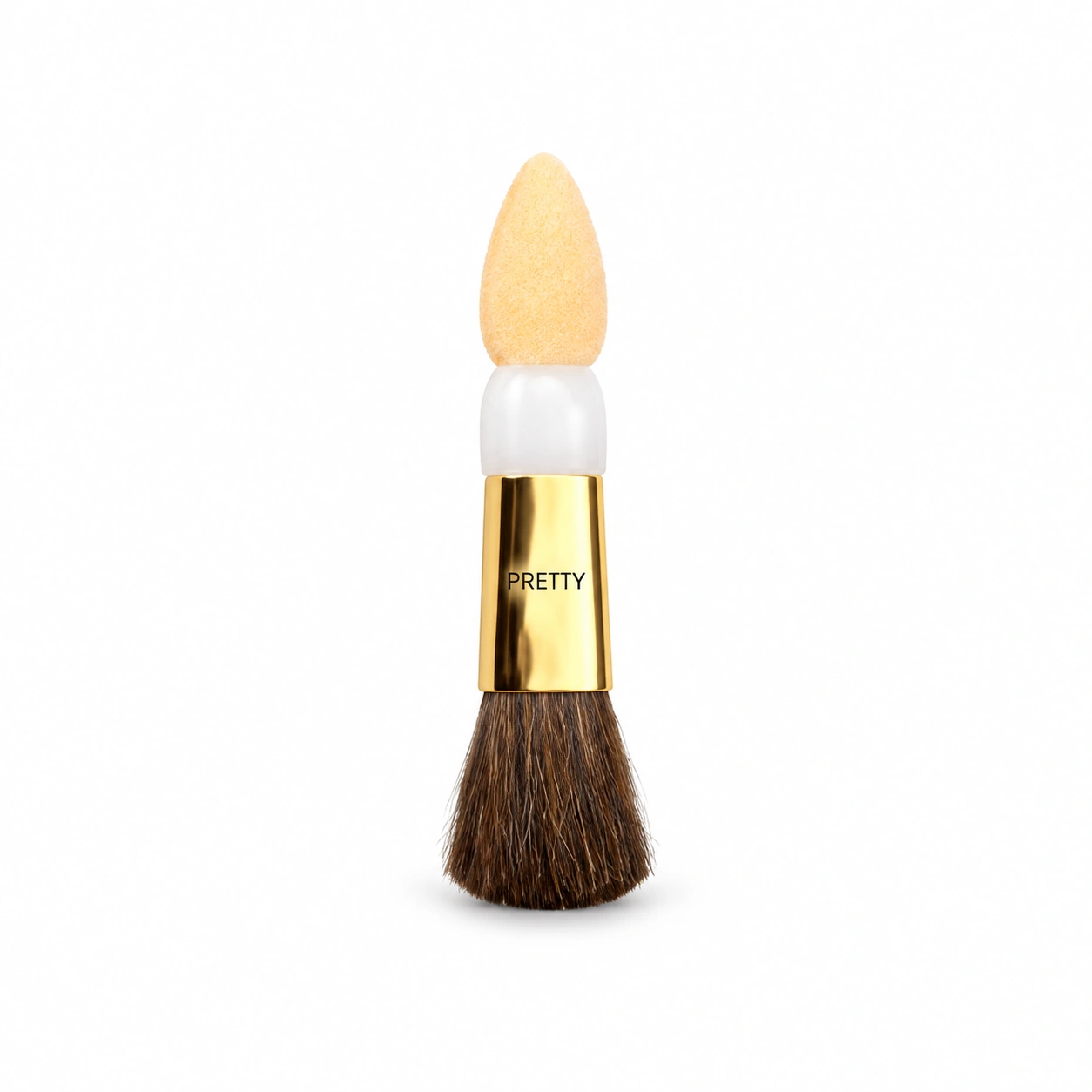
Pair an oval applicator and a brown brush on a compact gold-tone body.
Specify the head shape, exposed length, density and flexibility together. Colour and appearance cannot identify a fibre or an animal species; composition needs confirmation.
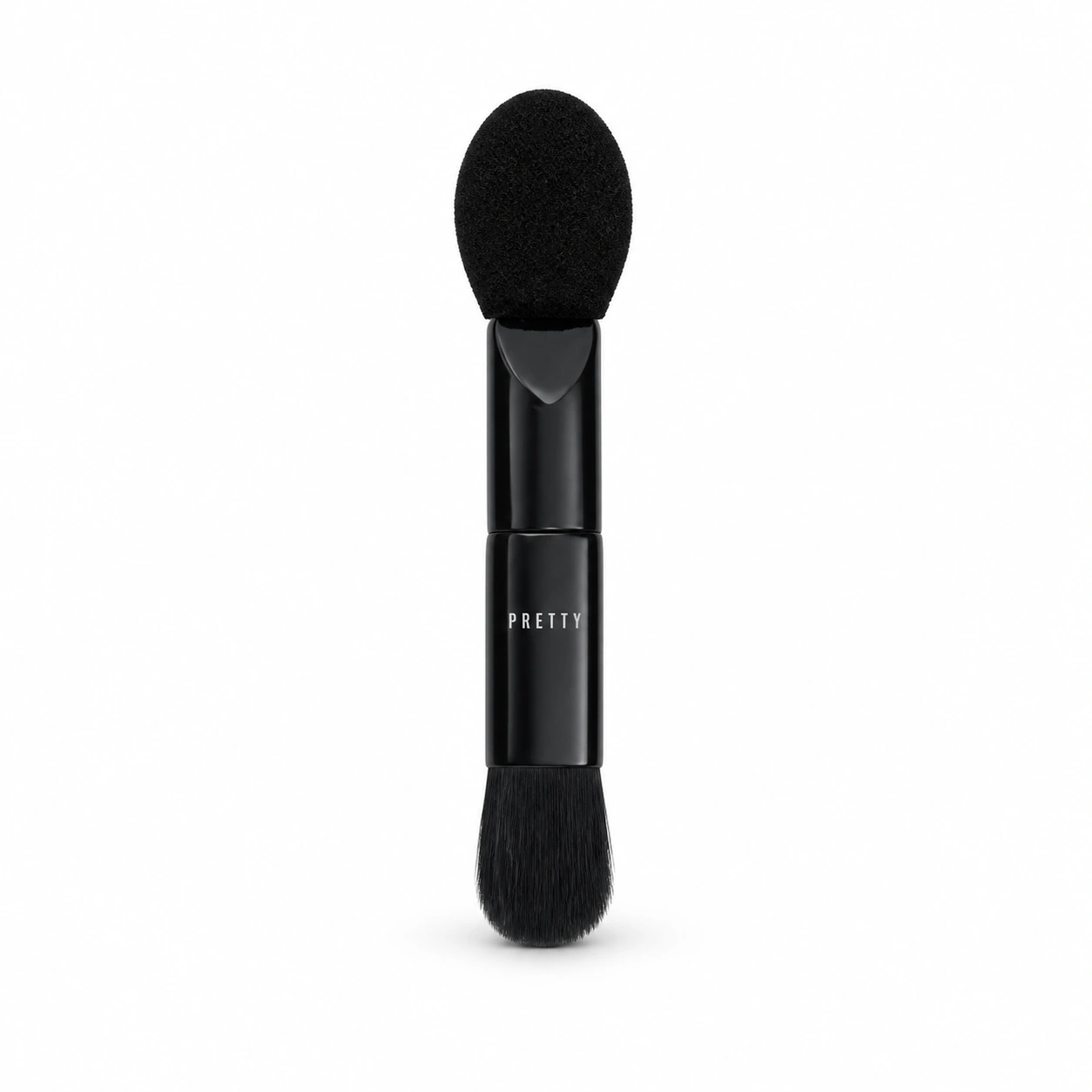
Explore a short black tool combining an oval tip and a brush end.
Specify the head shape, exposed length, density and flexibility together. Colour and appearance cannot identify a fibre or an animal species; composition needs confirmation.
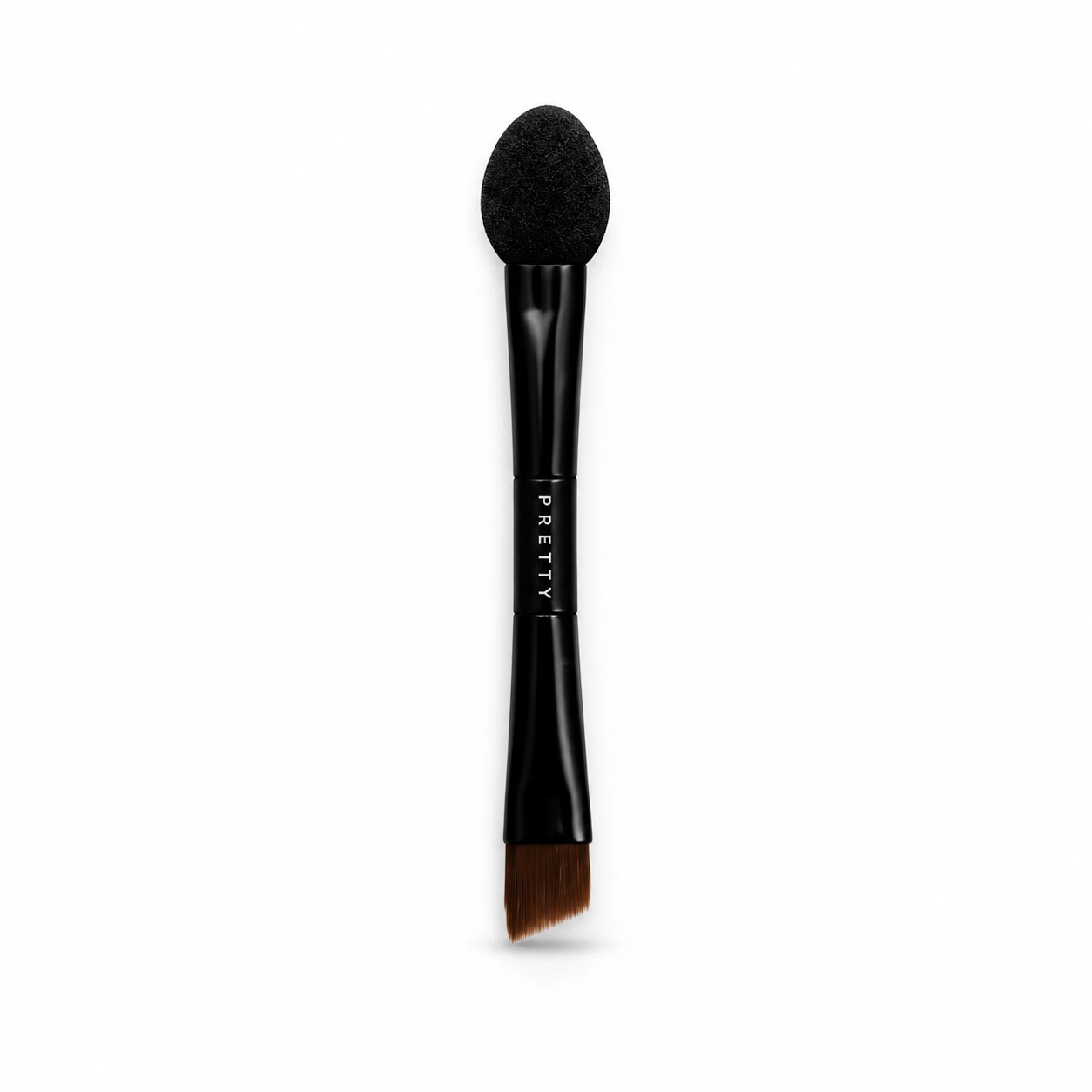
Use the narrow-waist black body to distinguish a paired applicator and brush.
Specify the head shape, exposed length, density and flexibility together. Colour and appearance cannot identify a fibre or an animal species; composition needs confirmation.
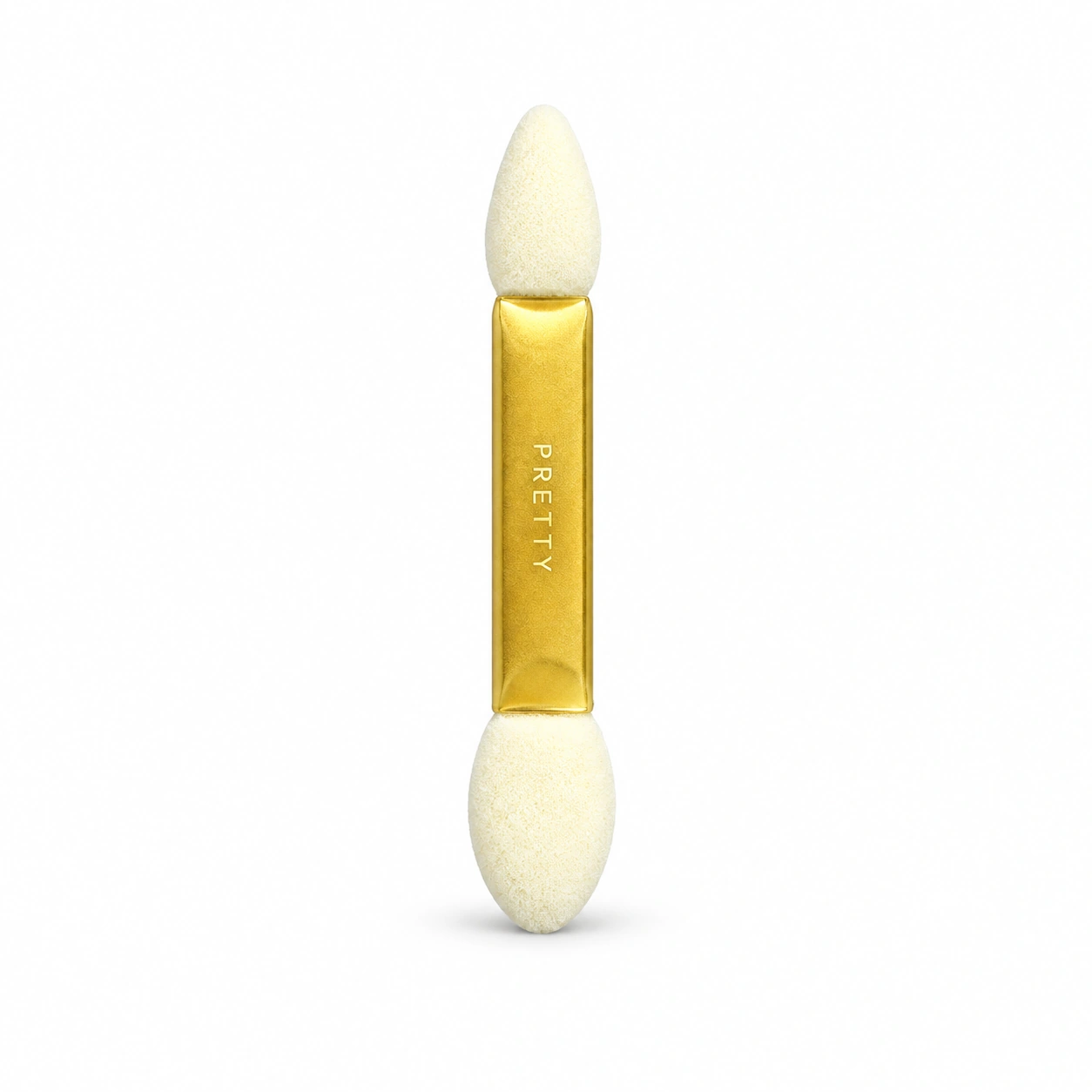
Develop a gold-tone dual-tip applicator with pale oval ends.
Specify the head shape, exposed length, density and flexibility together. Colour and appearance cannot identify a fibre or an animal species; composition needs confirmation.
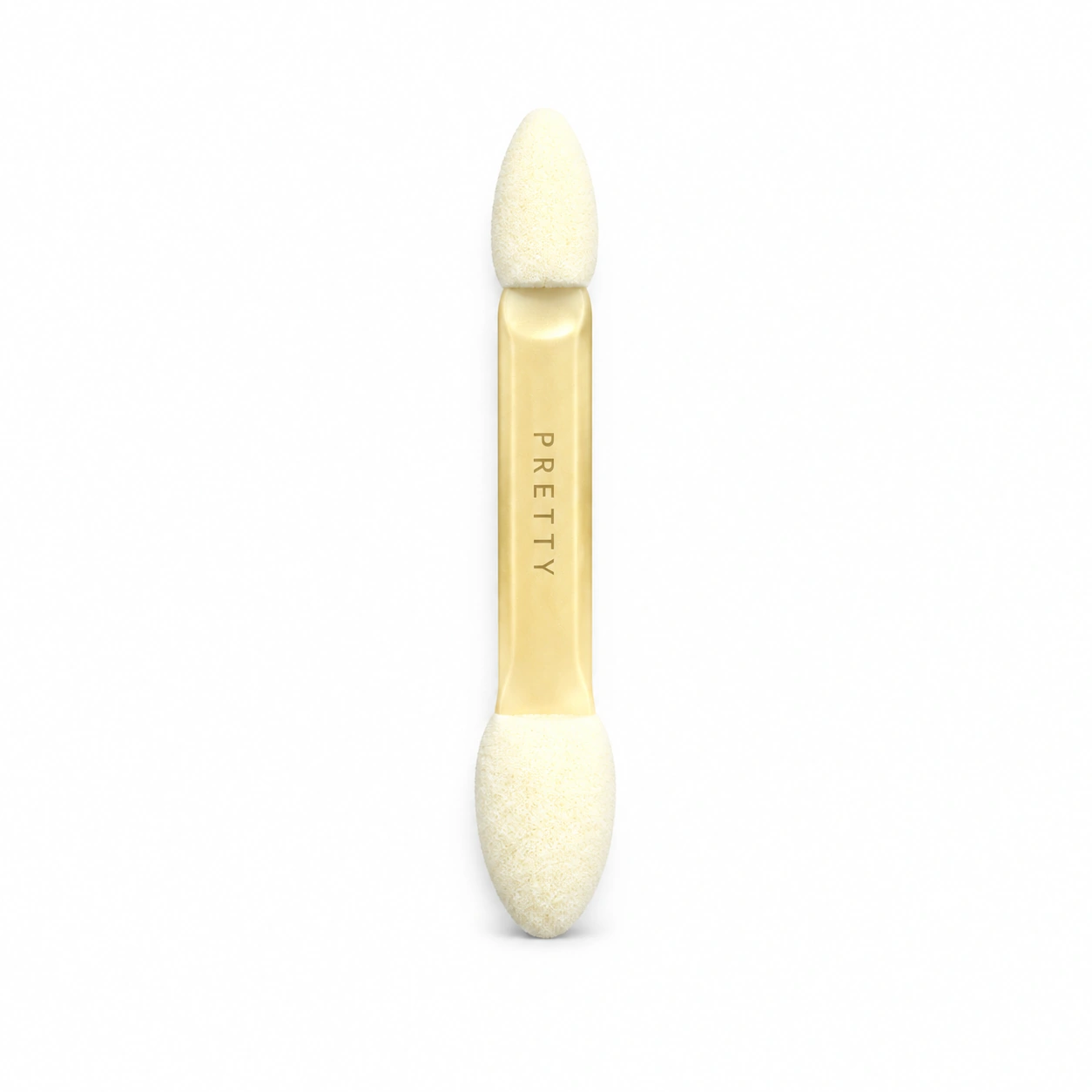
Explore a pale-gold version of the compact two-tip format.
Specify the head shape, exposed length, density and flexibility together. Colour and appearance cannot identify a fibre or an animal species; composition needs confirmation.
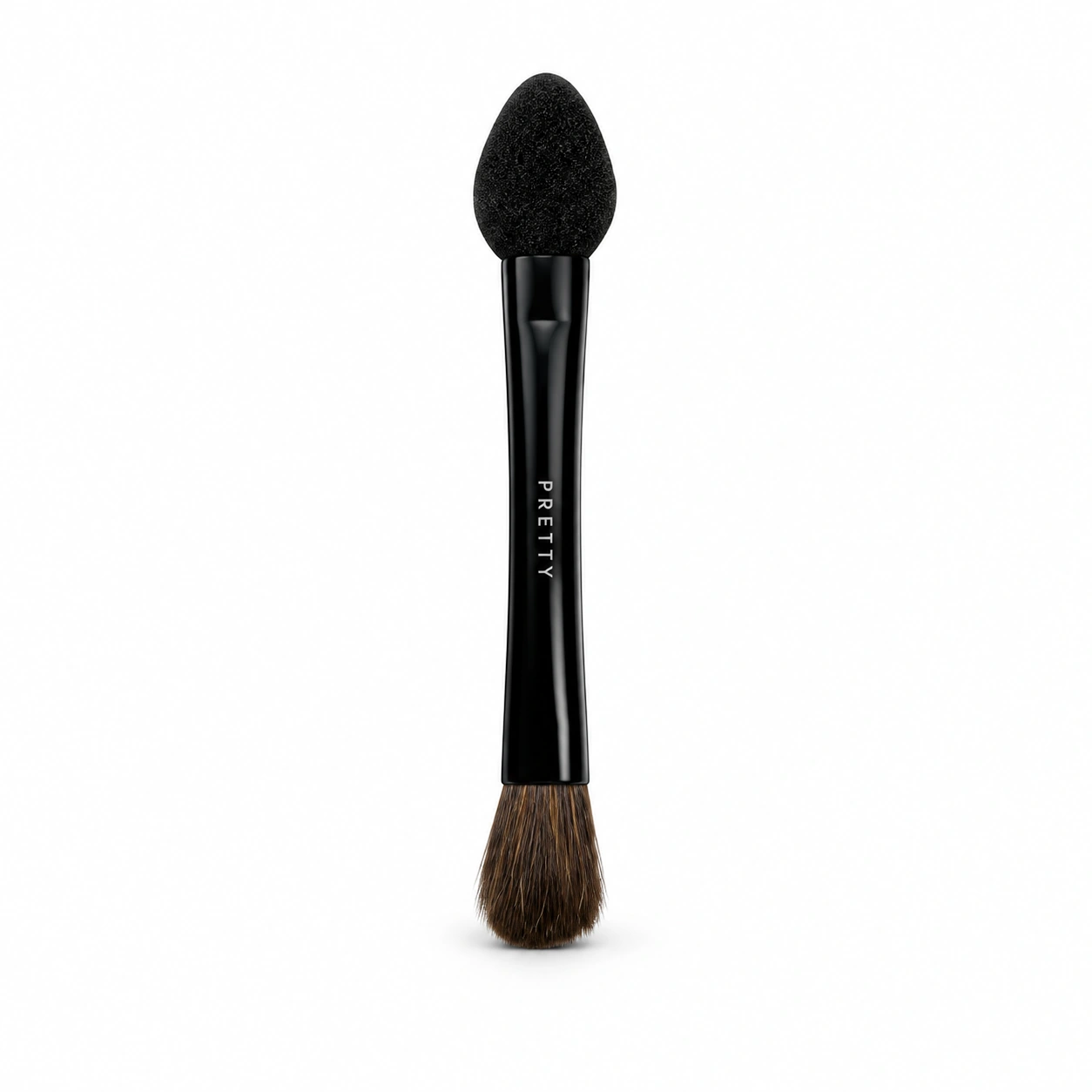
Combine an oval applicator with an angled brush for placement followed by edge work.
Specify the head shape, exposed length, density and flexibility together. Colour and appearance cannot identify a fibre or an animal species; composition needs confirmation.
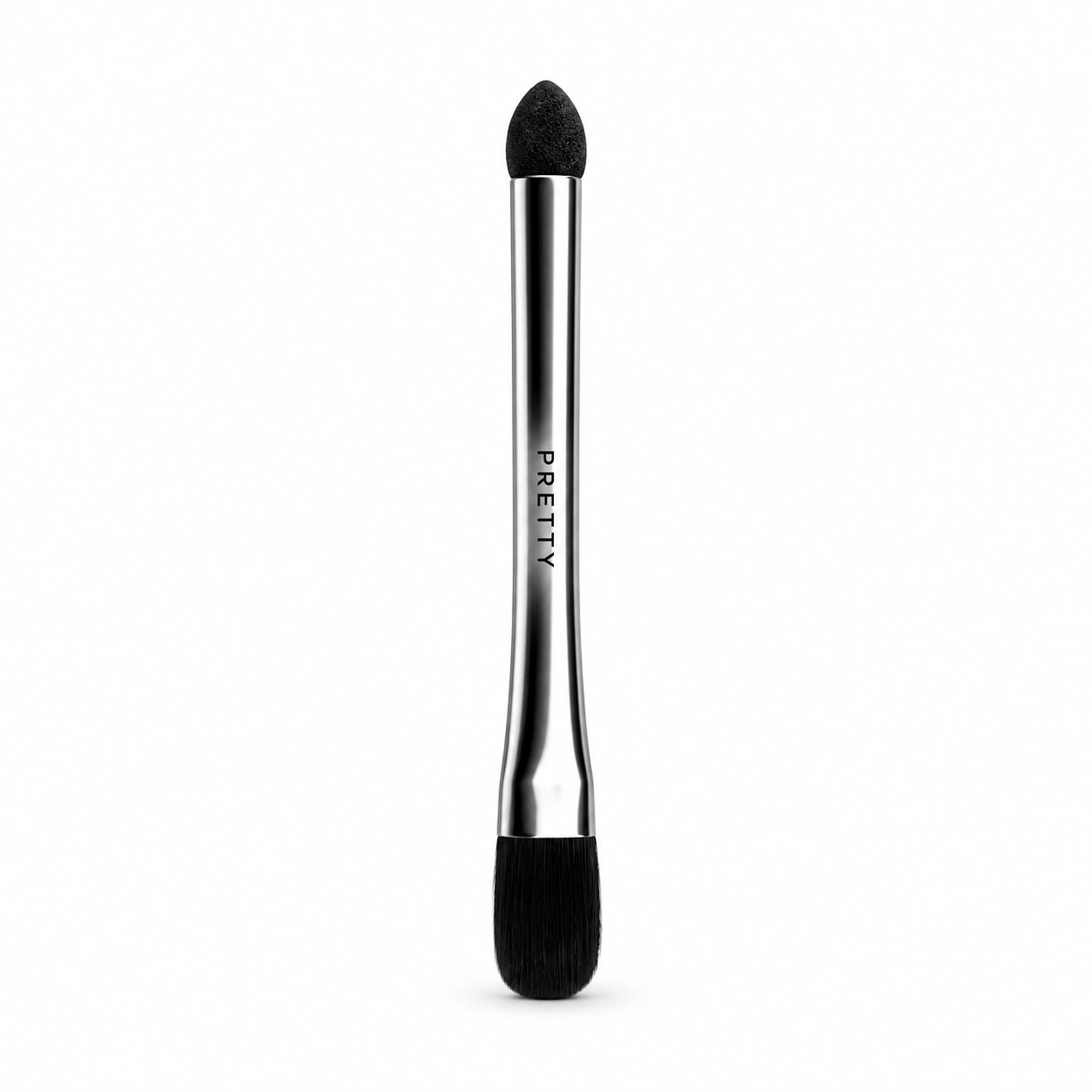
Explore a silver-tone tool pairing an oval tip with a flat brush.
Specify the head shape, exposed length, density and flexibility together. Colour and appearance cannot identify a fibre or an animal species; composition needs confirmation.
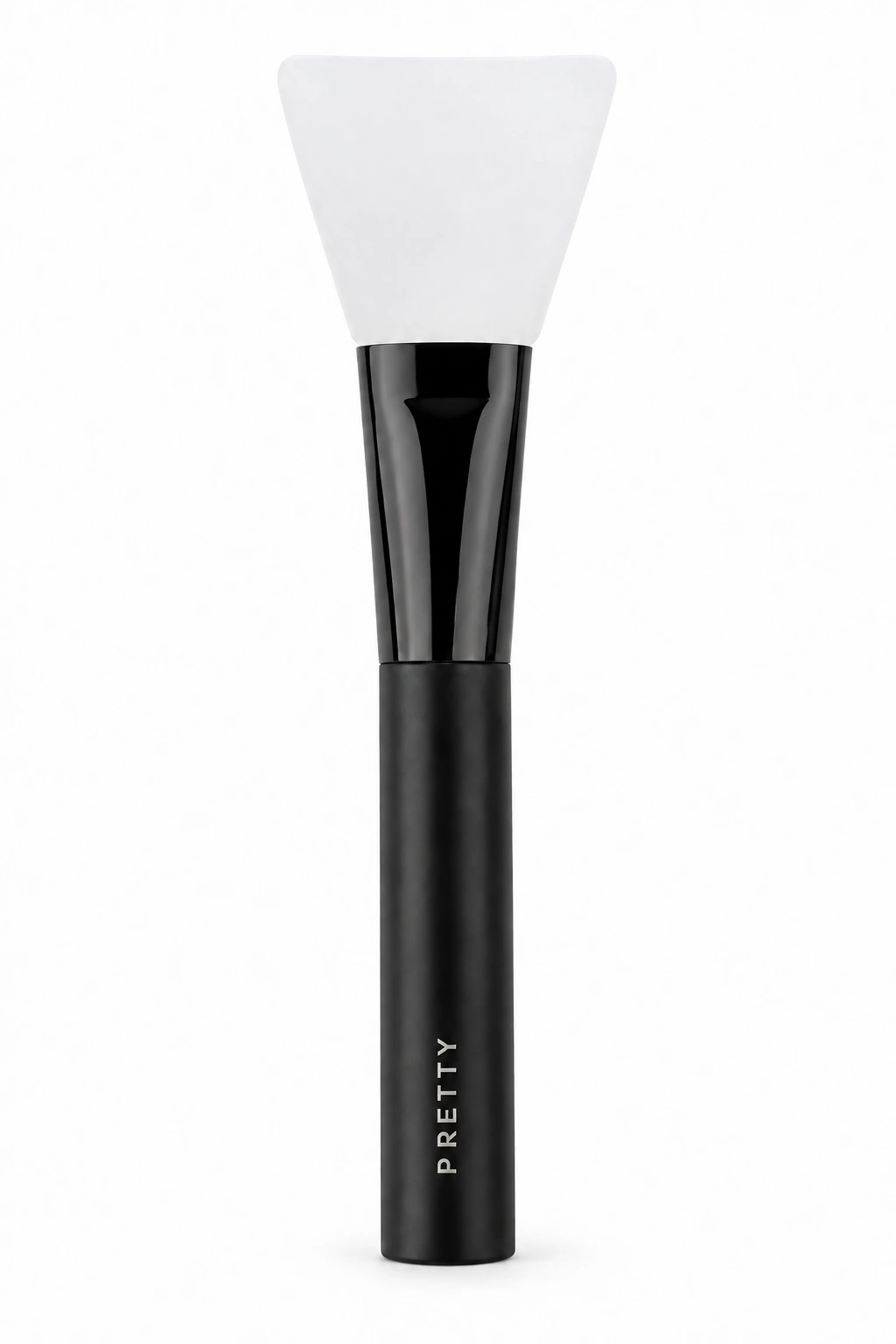
Develop a broad white paddle on a black handle for spreading a chosen cosmetic formula.
Begin with the visible shape and the task it should perform. This reference alone cannot establish whether a surface is fibre, foam, silicone or another material.
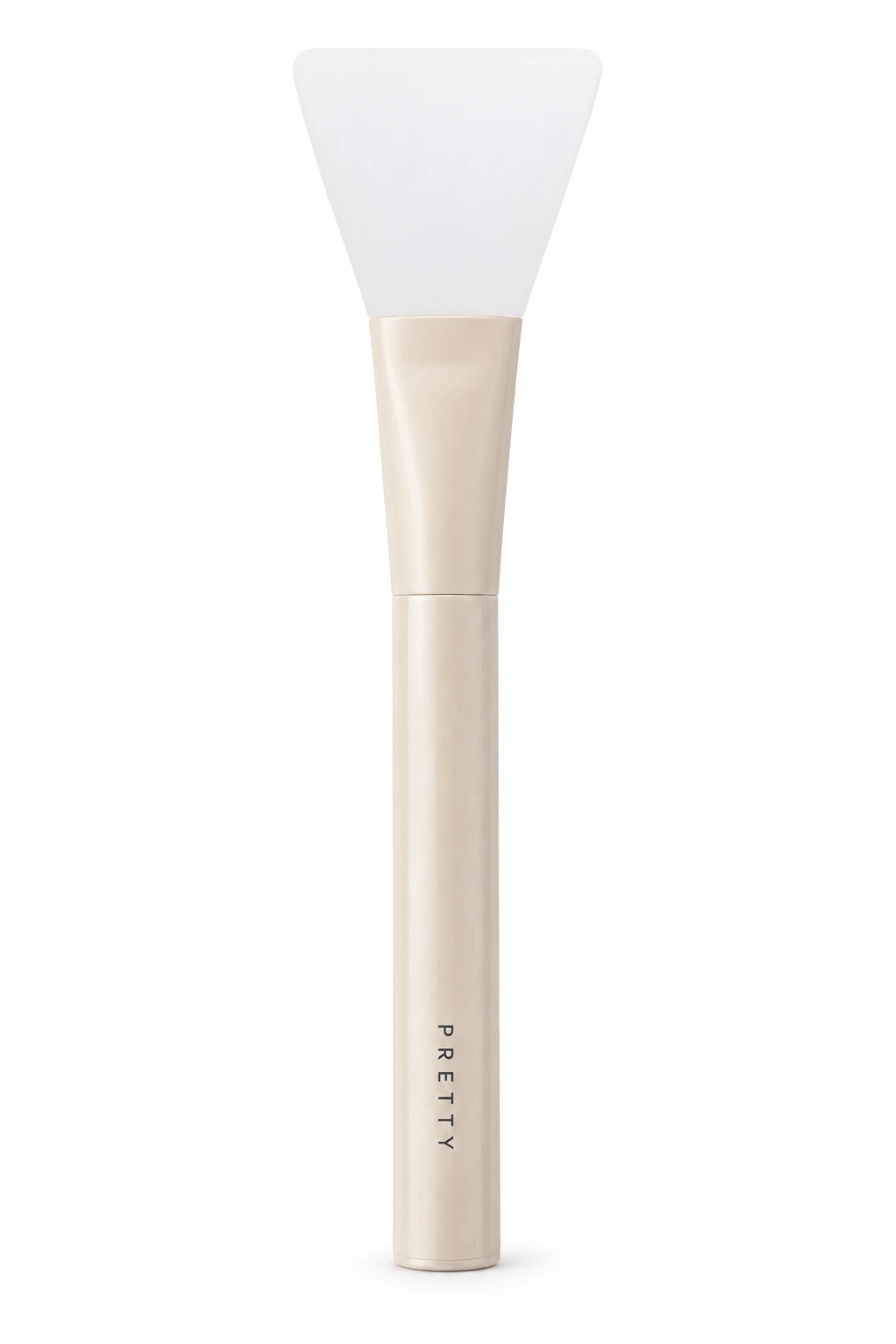
Use a beige-handle paddle as a coordinated alternative for a light-colour accessory range.
Begin with the visible shape and the task it should perform. This reference alone cannot establish whether a surface is fibre, foam, silicone or another material.
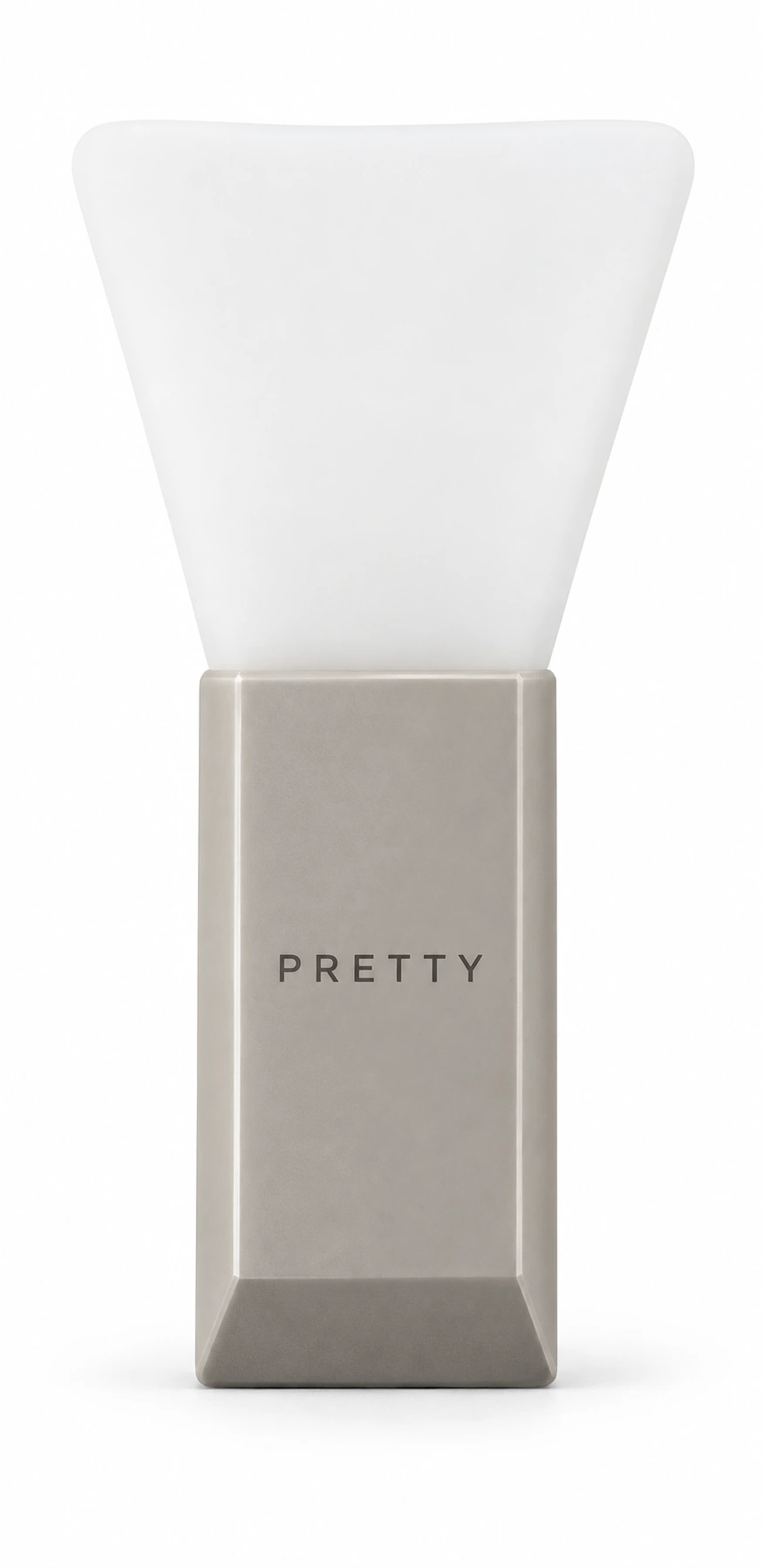
Explore a short faceted grip beneath a broad white paddle.
Begin with the visible shape and the task it should perform. This reference alone cannot establish whether a surface is fibre, foam, silicone or another material.
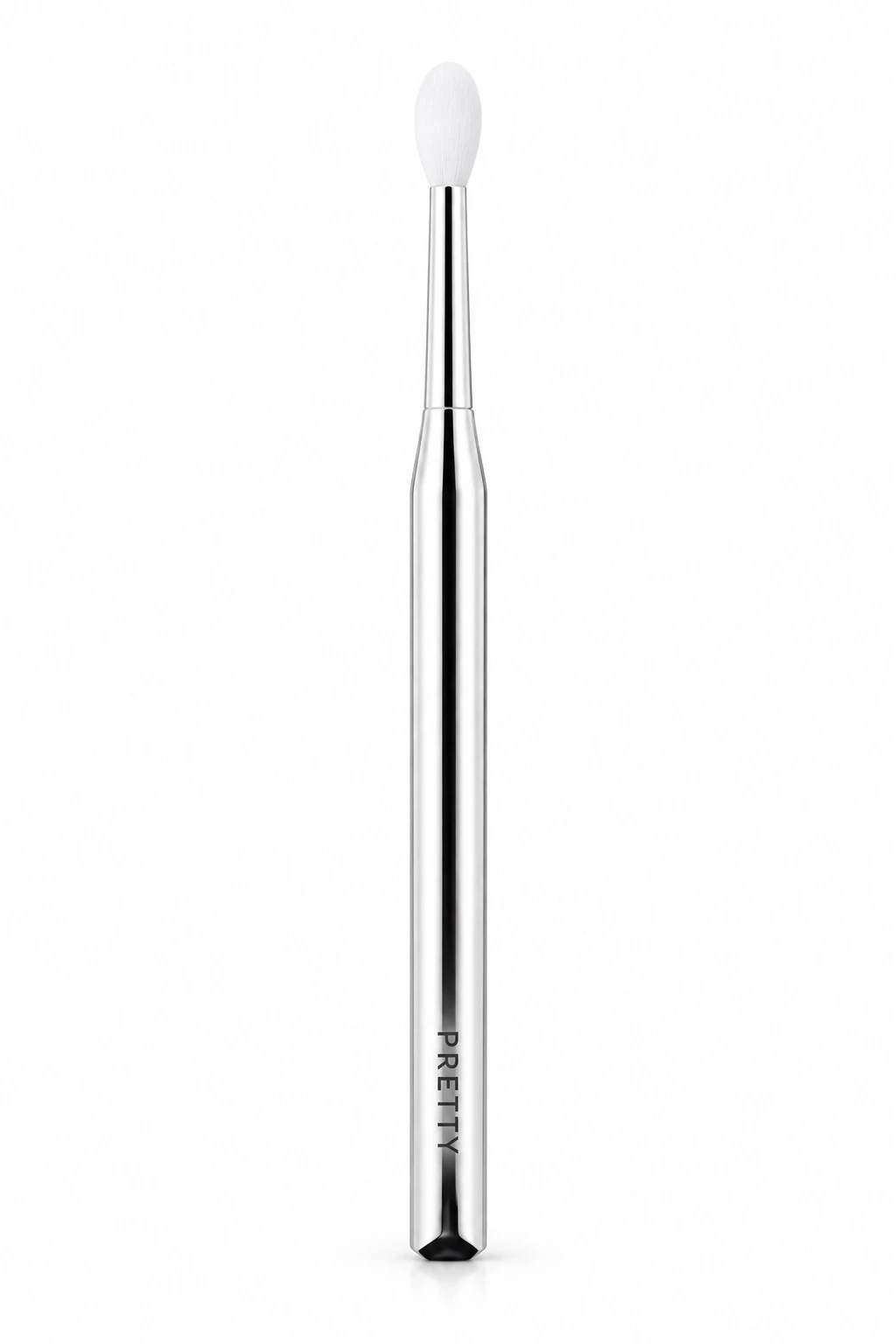
Develop a fine metal-tone tool with a small white contact tip for detail placement.
Begin with the visible shape and the task it should perform. This reference alone cannot establish whether a surface is fibre, foam, silicone or another material.
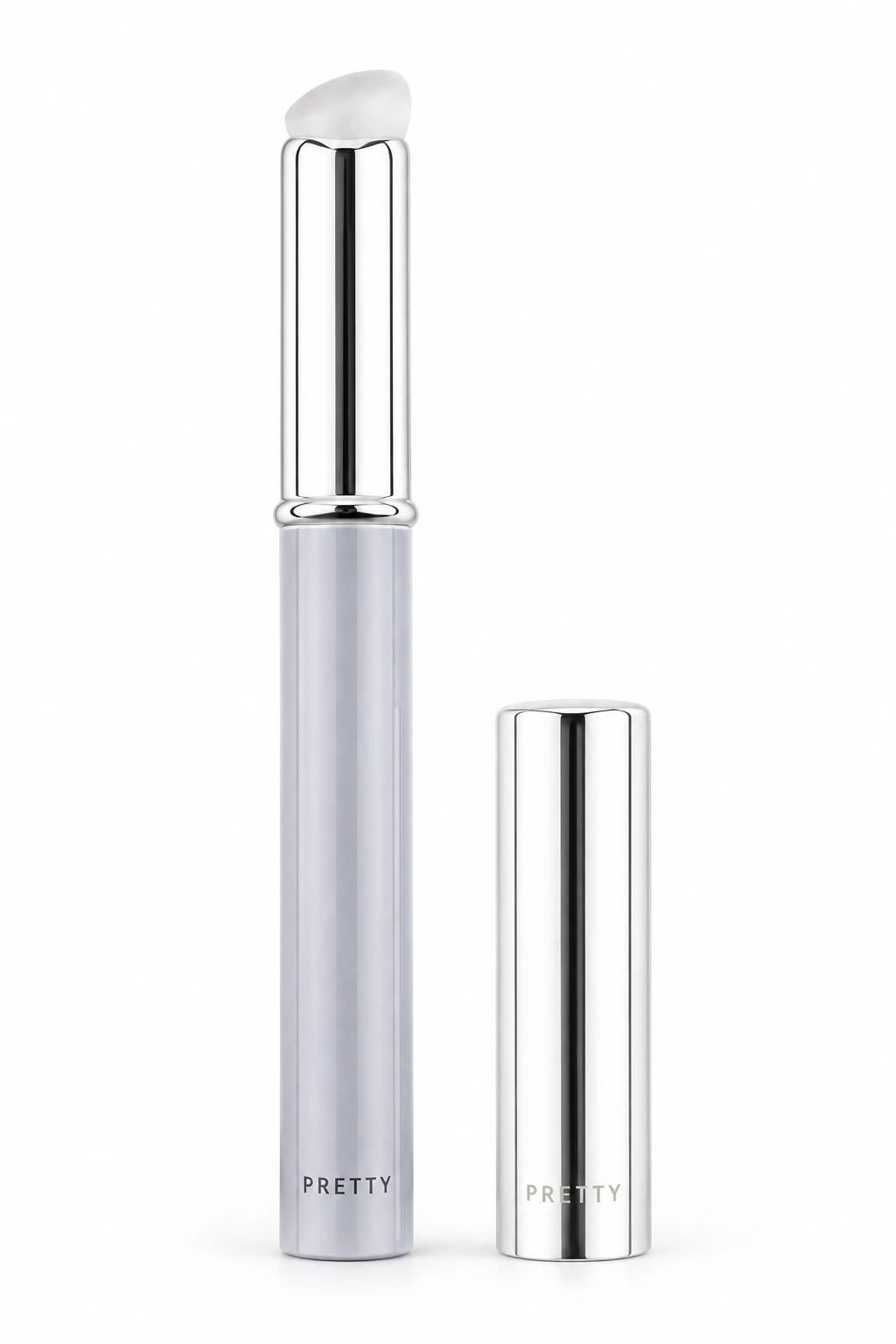
Explore a tall capped tool with a white working end for protected storage.
Begin with the visible shape and the task it should perform. This reference alone cannot establish whether a surface is fibre, foam, silicone or another material.
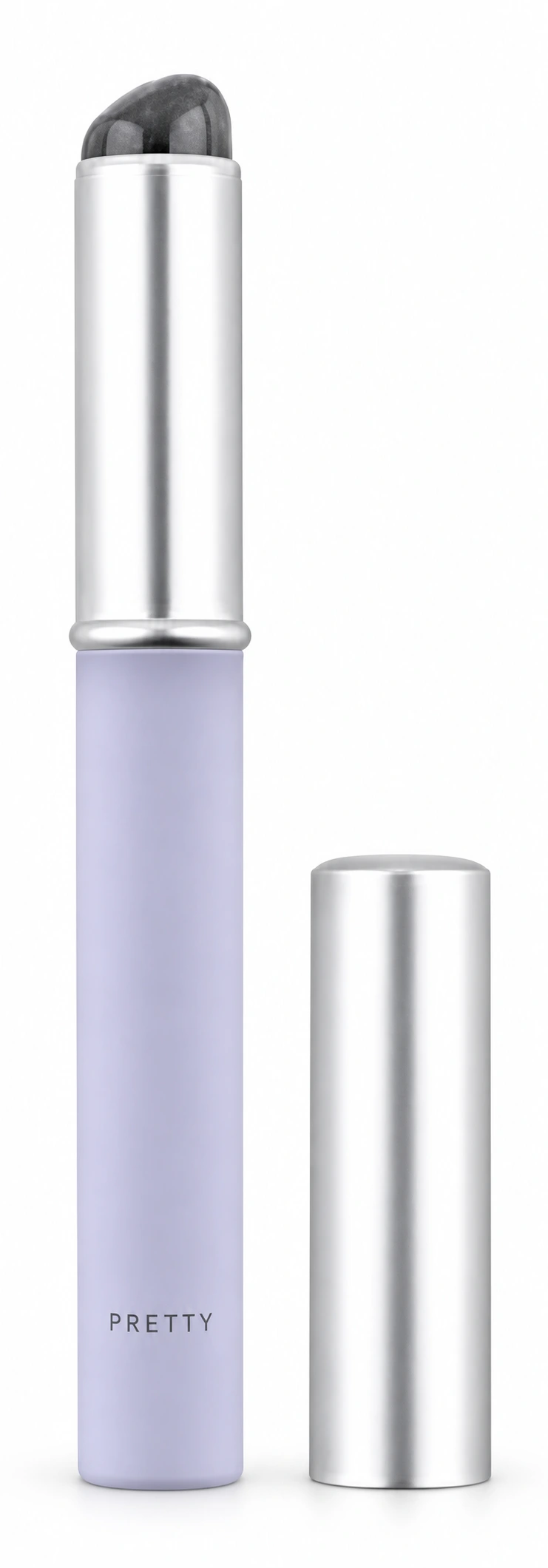
Develop a lavender-bodied capped tool with a dark working end.
Begin with the visible shape and the task it should perform. This reference alone cannot establish whether a surface is fibre, foam, silicone or another material.
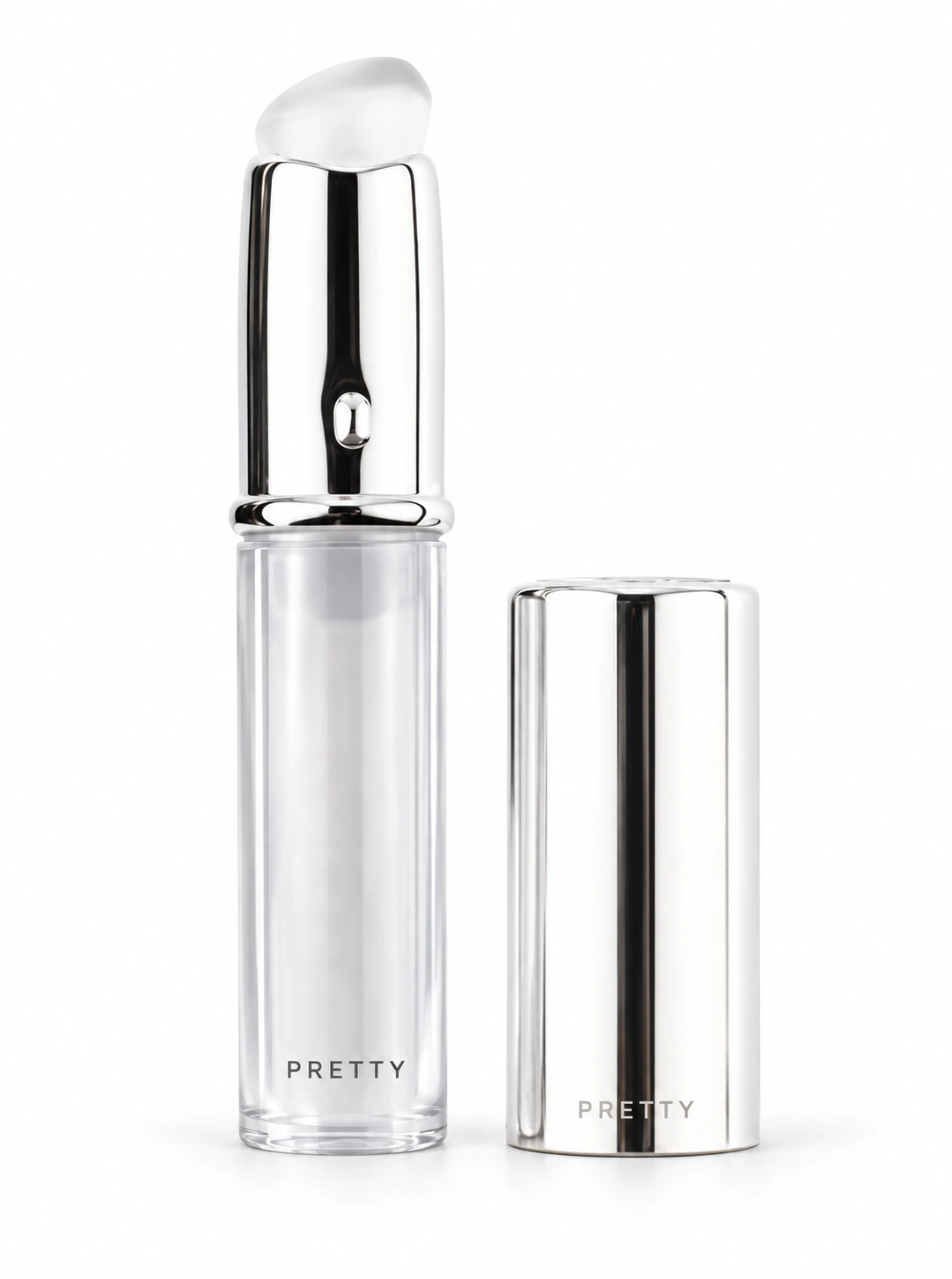
Use the short clear-and-silver body as a compact capped-tool direction.
Begin with the visible shape and the task it should perform. This reference alone cannot establish whether a surface is fibre, foam, silicone or another material.
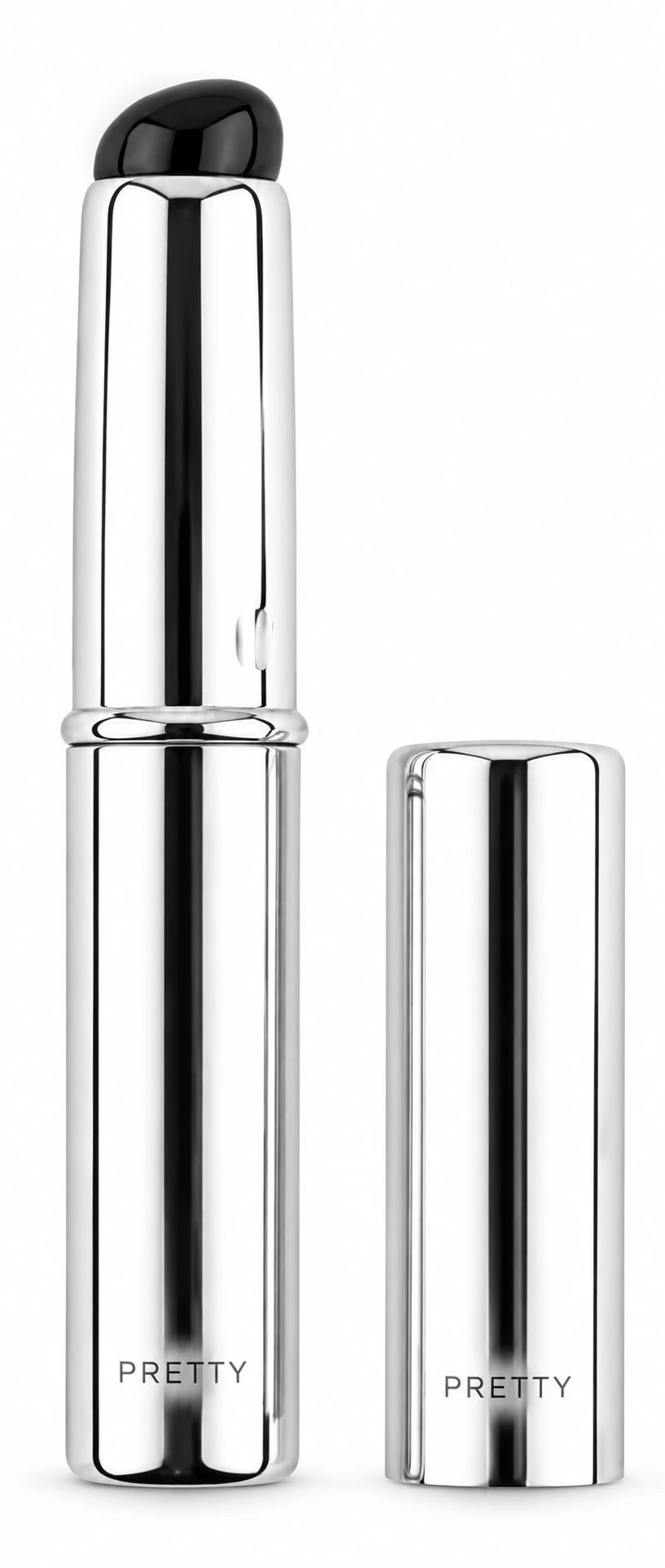
Explore a slanted black tip in a silver-tone capped body.
Begin with the visible shape and the task it should perform. This reference alone cannot establish whether a surface is fibre, foam, silicone or another material.
Review the clear-and-black capped structure as an accessory development reference.
Begin with the visible shape and the task it should perform. This reference alone cannot establish whether a surface is fibre, foam, silicone or another material.
Two rounded silicone tips share a curved lavender handle: a larger end for concealer placement and a smaller end for lip or detail work. The supplied drawing provides separate dimensions for the two ends, so you can compare their proportions before specifying your own version.
Begin with the visible shape and the task it should perform. This reference alone cannot establish whether a surface is fibre, foam, silicone or another material.
What information is needed for a custom applicator?
Start with the application task and exact formula, then specify the contact surface, material and grip. A photograph can show a shape but does not establish material identity or tested compatibility.
01
Controlled product placement
Compare small contact tips and their reach.
Review on the sample
Check flexibility, surface finish and placement with the intended product.
Use the photographed shape as a starting direction. Material specifications, formula performance and final custom dimensions are confirmed for the agreed sample.
From application to specification
Choose the contact shape. Then define the complete tool.
Flat brush application
Two flat brush references with visible bristles. Compare the working width, exposed length and surface contact with your formula.
What is the difference between an applicator brush and an oval-tip applicator?
The references below show different contact shapes: a bristled brush, an oval tip, or a tool combining two ends. Choose the task first—placing, spreading or blending your formula—then compare the proposed contact material, dimensions and flexibility on a sample. Shape alone does not establish the material or performance.
Can the applicator be developed for my formula and packaging?
Start with the formula, intended use and packaging drawing or dimensions. For a loose tool, specify the usable length and storage space. For a packaging-connected tip, identify the connection and closure dimensions as well. The photographs here do not establish a tested bottle, cap, nozzle or dispensing fit; those interfaces need a separate review.
What should I send for a custom applicator quotation?
Send the reference, the job for each end, your formula, quantity per design and whether the unit is a piece or a set. Add the changes, logo, packaging, destination and target arrival date. Contact materials, minimum quantity, sampling and the production schedule are quoted for that configuration, rather than one fixed offer for every tool.
Use the original catalogue images on each reference page to check the source design; PRETTY-branded presentation images are visualisations. Images are not material certificates or formula-compatibility test results. Prepare the sample checks →
From a reference to your own version
Prepare a useful sample brief.
Define the applicator task, formula, contact material, tip size and flexibility; review surface finish, joins and cleaning.
Include your target quantity and delivery market. PRETTY confirms the applicable minimum, sampling scope, fee and timing for the selected construction.

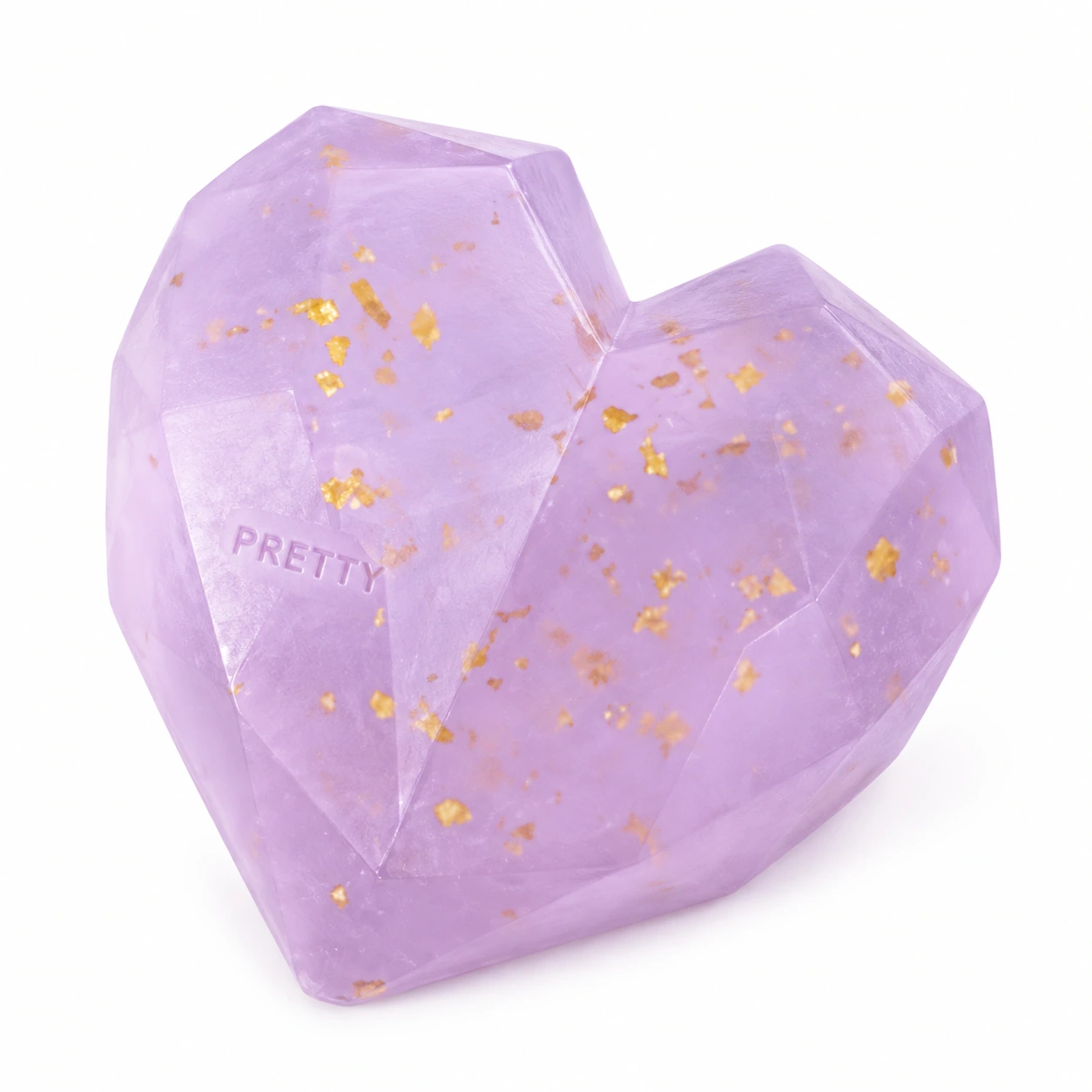 Faceted lavender round accessory with gold-colored flecksUse this faceted lavender accessory as a packaging or colour reference only.View product details →