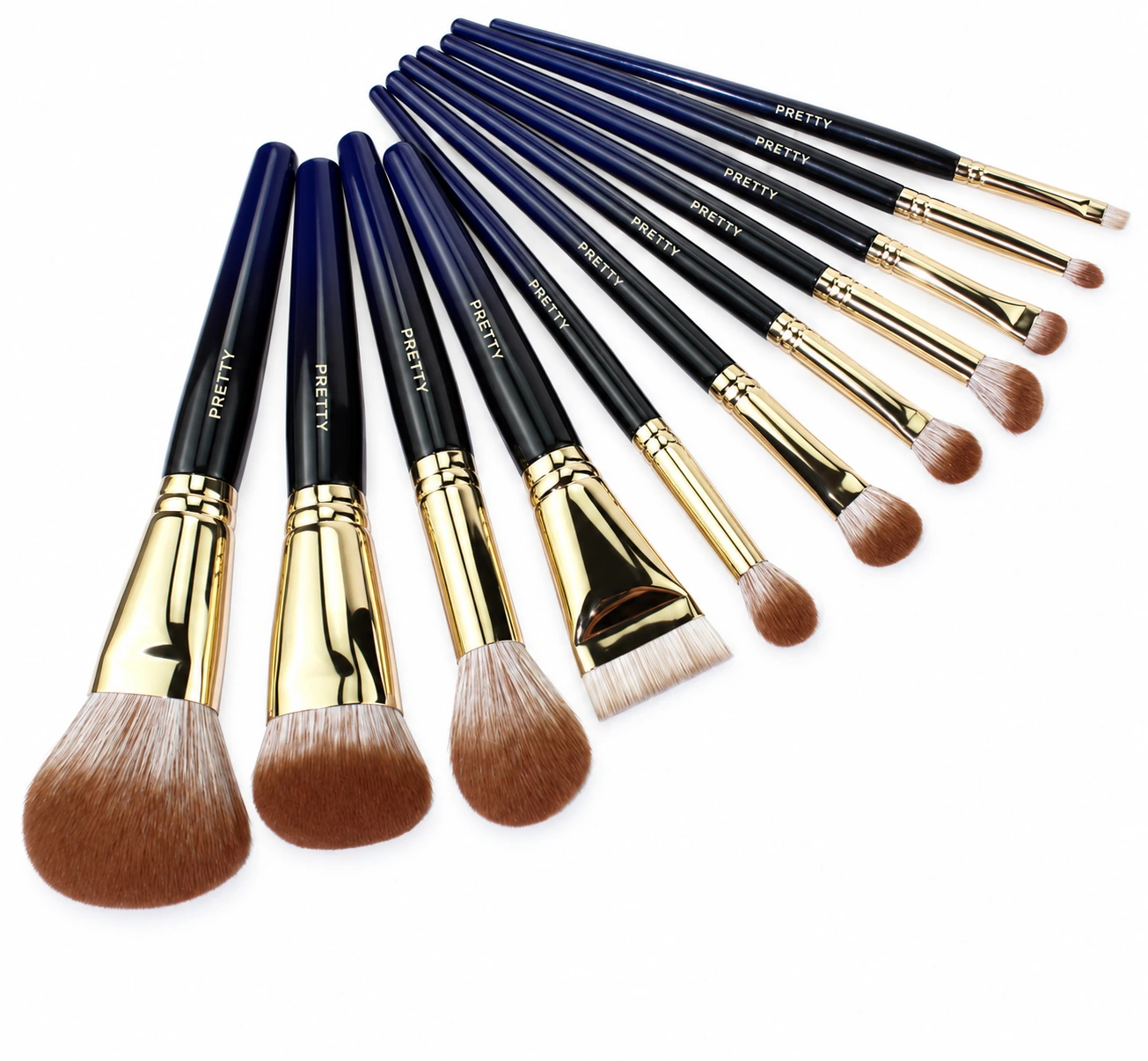
Navy & gold-tone set
A coordinated face and eye range with deep navy handles and gold-tone ferrules.
View this set reference →
Development
PRETTY manufactures private-label makeup brushes and coordinated sets for beauty brands. Start from an existing design, an idea, a drawing or a reference sample. Define the materials, custom details, logo and packaging, then review a sample before confirming production.
Existing factory catalogue references
A coordinated face and eye range with deep navy handles and gold-tone ferrules.
View this set reference →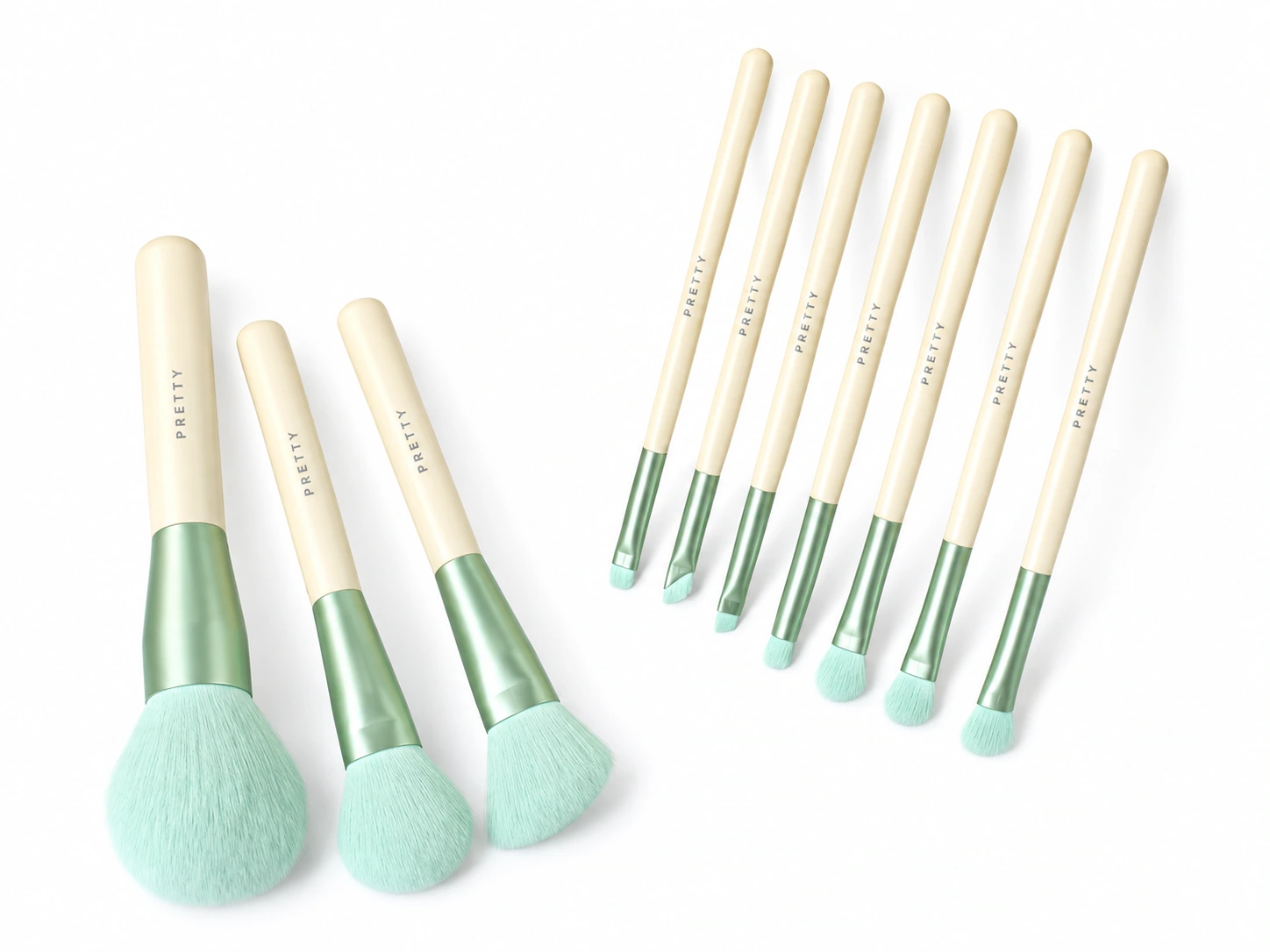
A soft cream and mint direction, with complementary face and eye shapes.
View this set reference →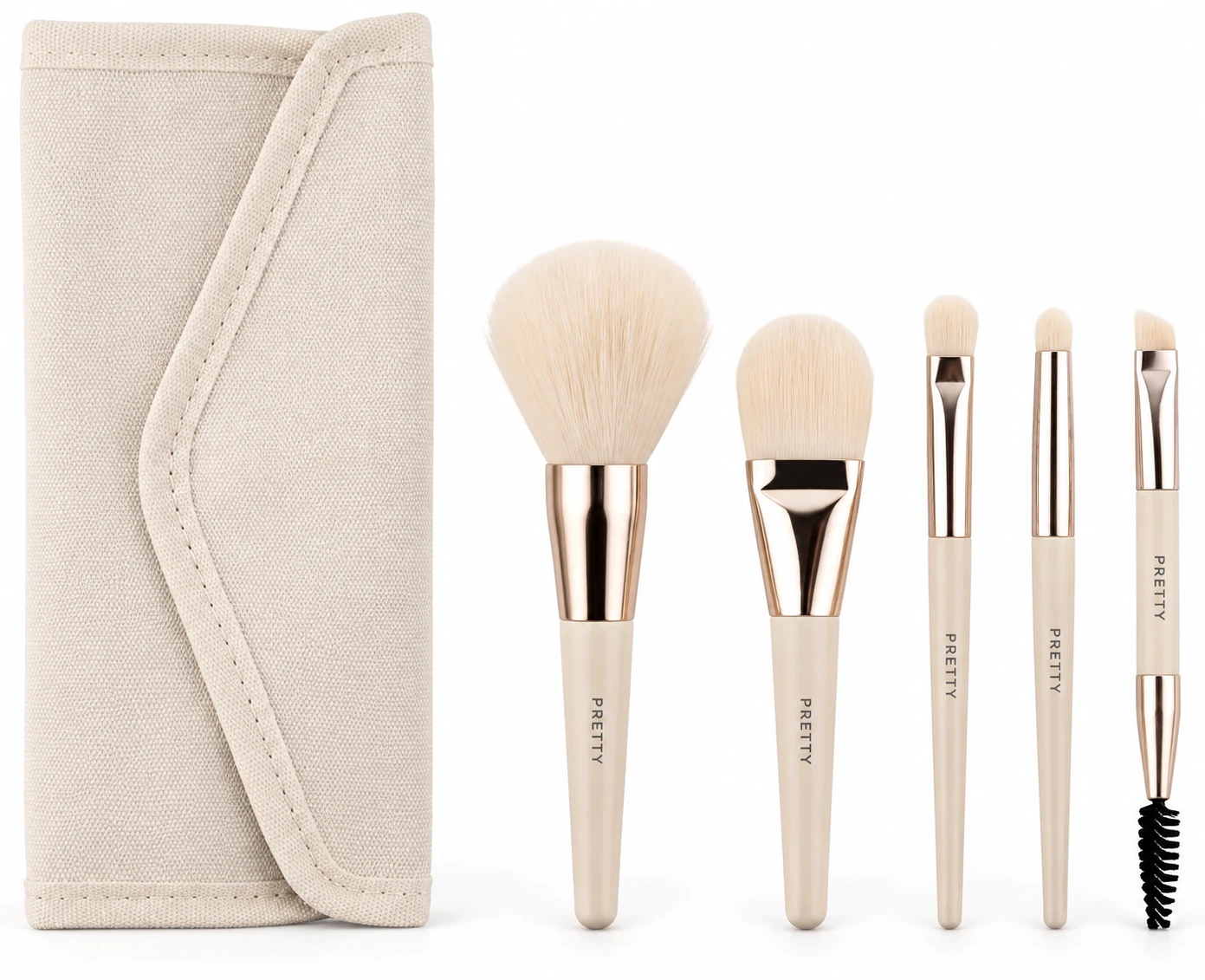
Compact brush references with a matching pouch for a travel-focused brief.
View this set reference →Factory catalogue imagery with digital PRETTY branding. Choose a reference, then confirm the brush mix, materials, dimensions and packaging through sampling.
01 · Shape & purpose
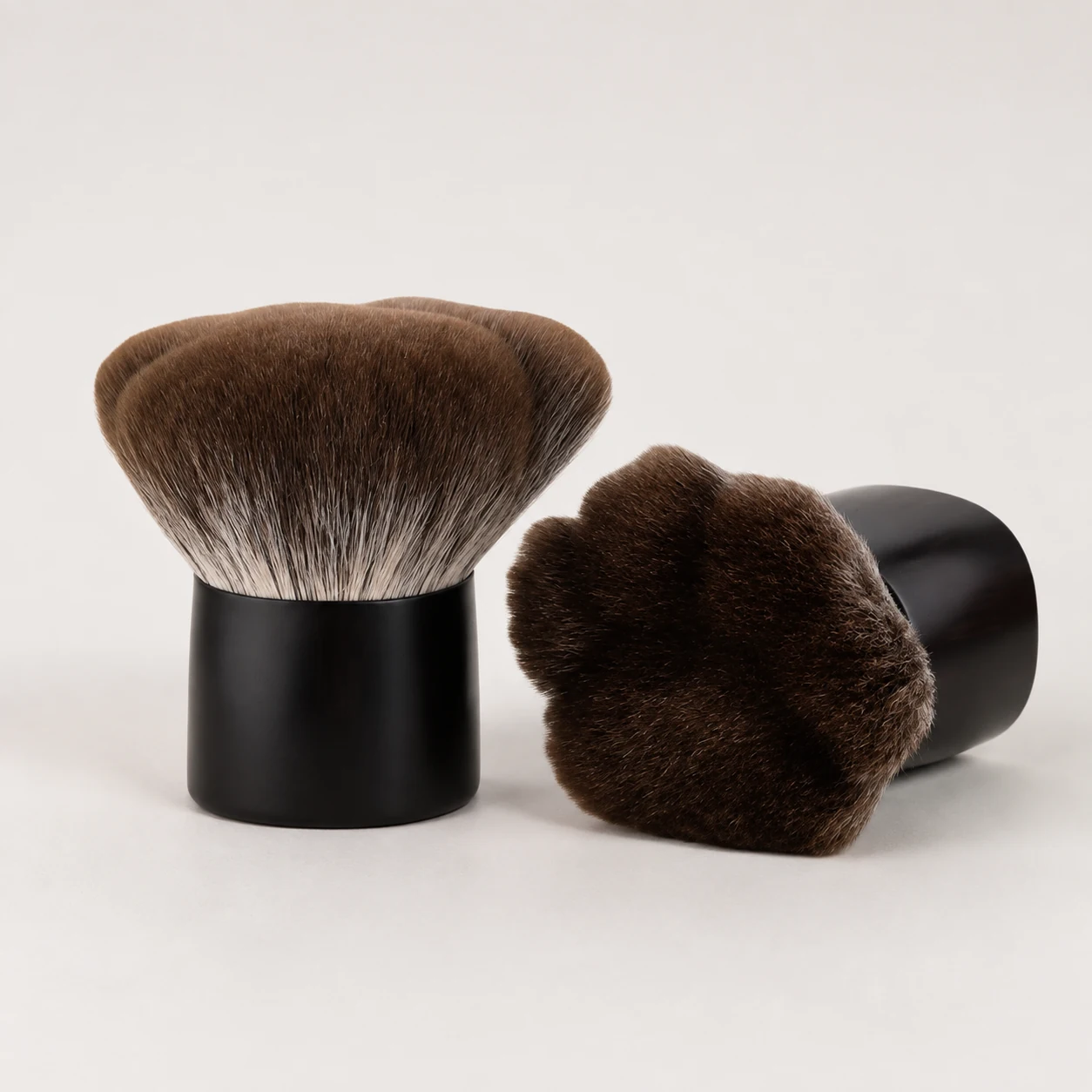
A sweeping face brush, a small eye brush, or a more sculpted profile. Tell us what the brush should do and the shape you have in mind.
What we review with you: Turn the intended use into a proposed head profile, dimensions and feel requirements for sampling.
Include these details in my enquiry →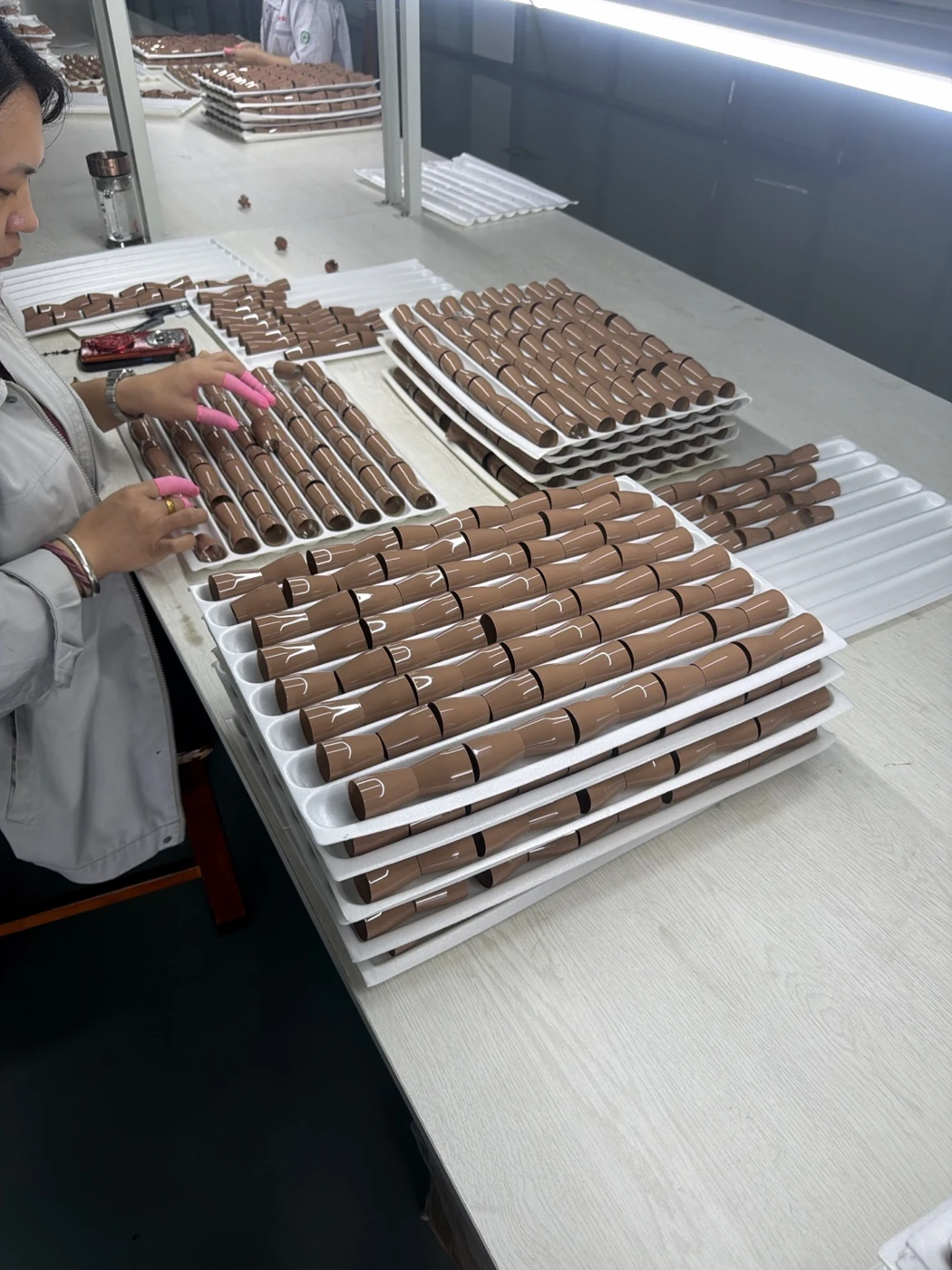
02 · Materials & construction
Specify the bristles, ferrule and handle together. Review the proposed materials, connections and handling on a physical sample before approving the design.
What we review with you: Review a proposed bristle, ferrule and handle combination, including the connections and checks for the physical sample.
Include these details in my enquiry →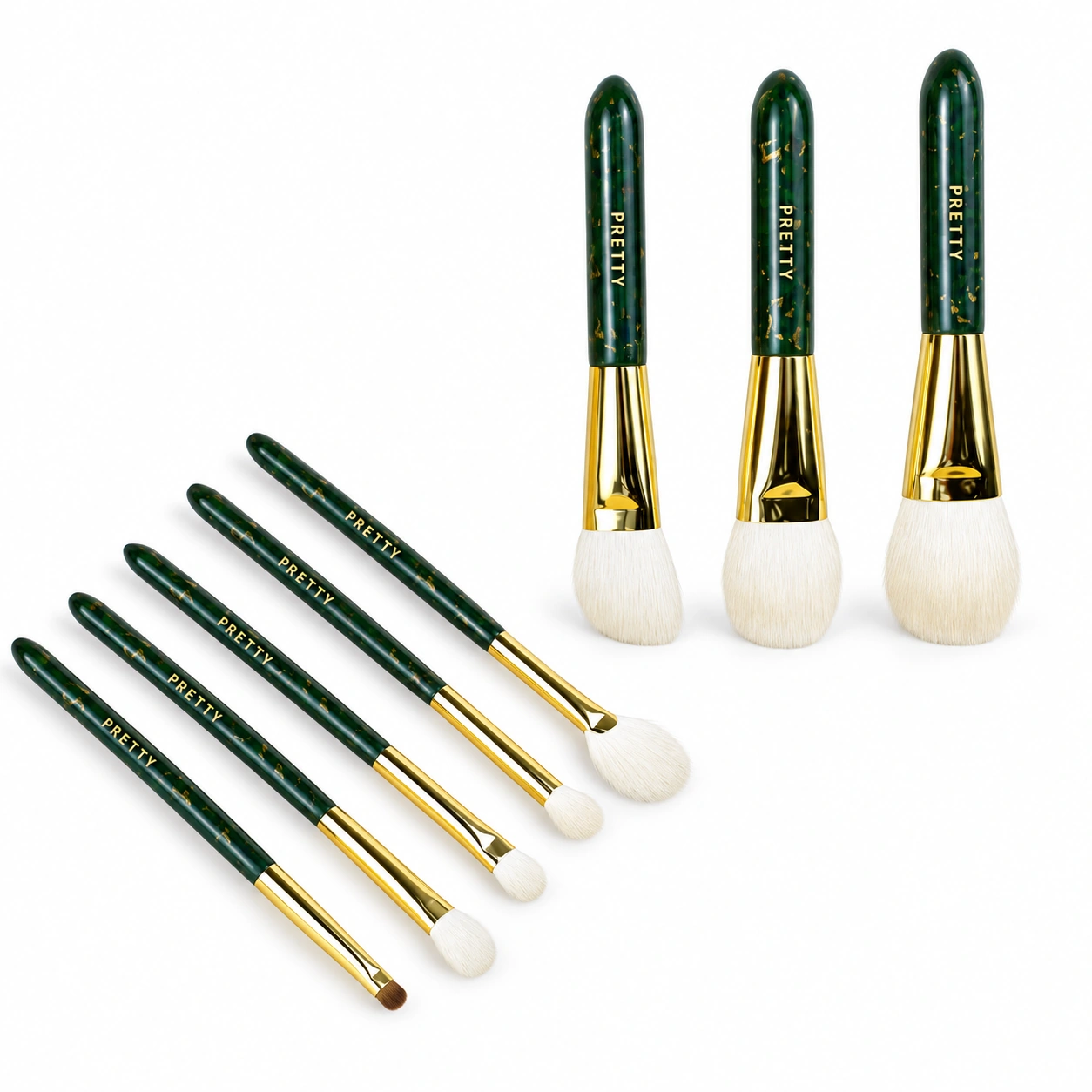
03 · Colour & finish
Share a colour reference and the finish you want, such as matte or gloss. Review the proposed finish on a sample, including how it looks across different brush sizes.
What we review with you: Review your colour reference and surface finish on a sample, then agree the appearance across the selected brush designs.
Include these details in my enquiry →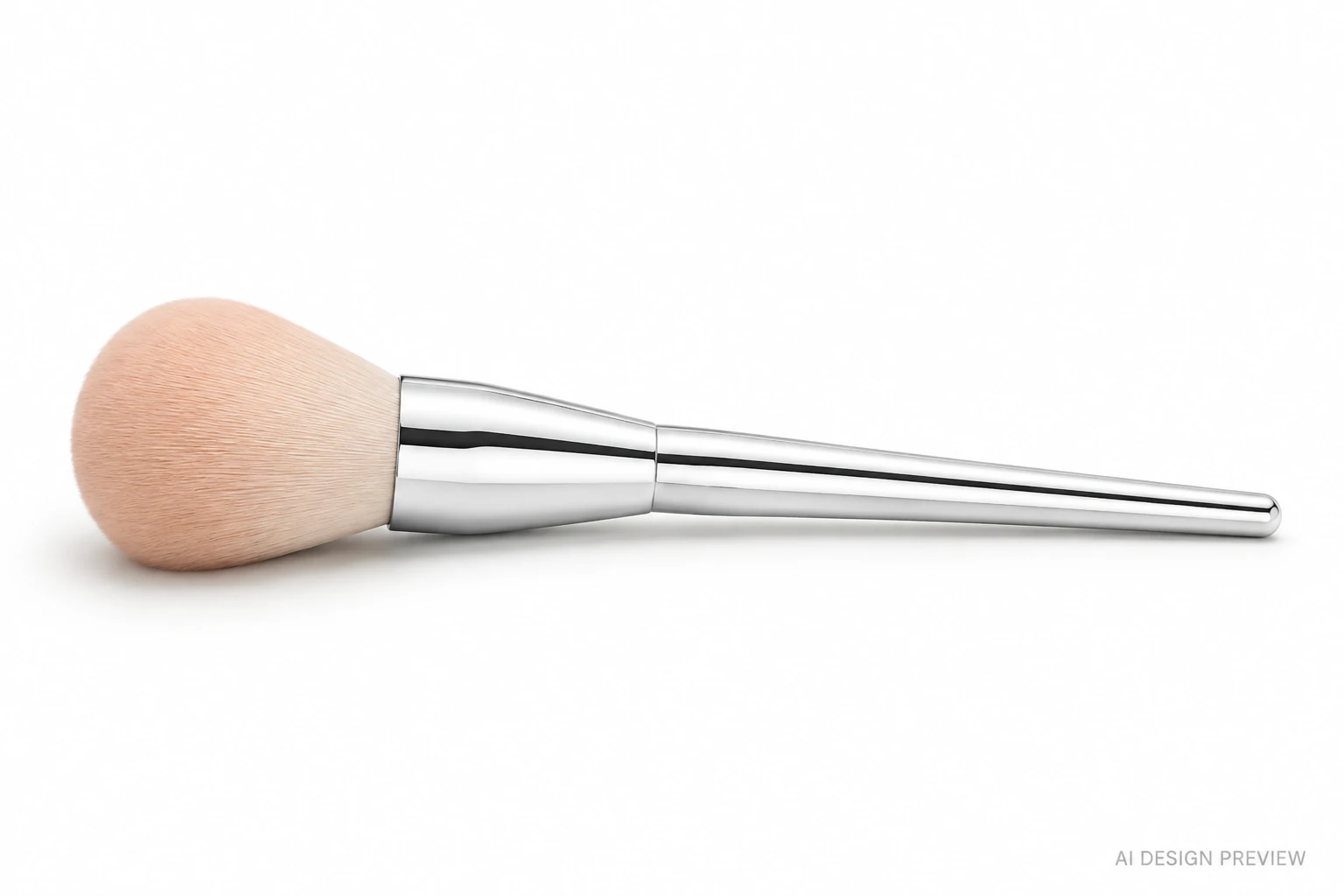
04 · Logo & identity
Share your logo artwork, preferred position and the scale you have in mind. The marking method depends on the component material and available space; confirm its size, position and appearance on the sample.
What we review with you: Review the logo size, position and marking method against your artwork and the chosen component.
Include these details in my enquiry →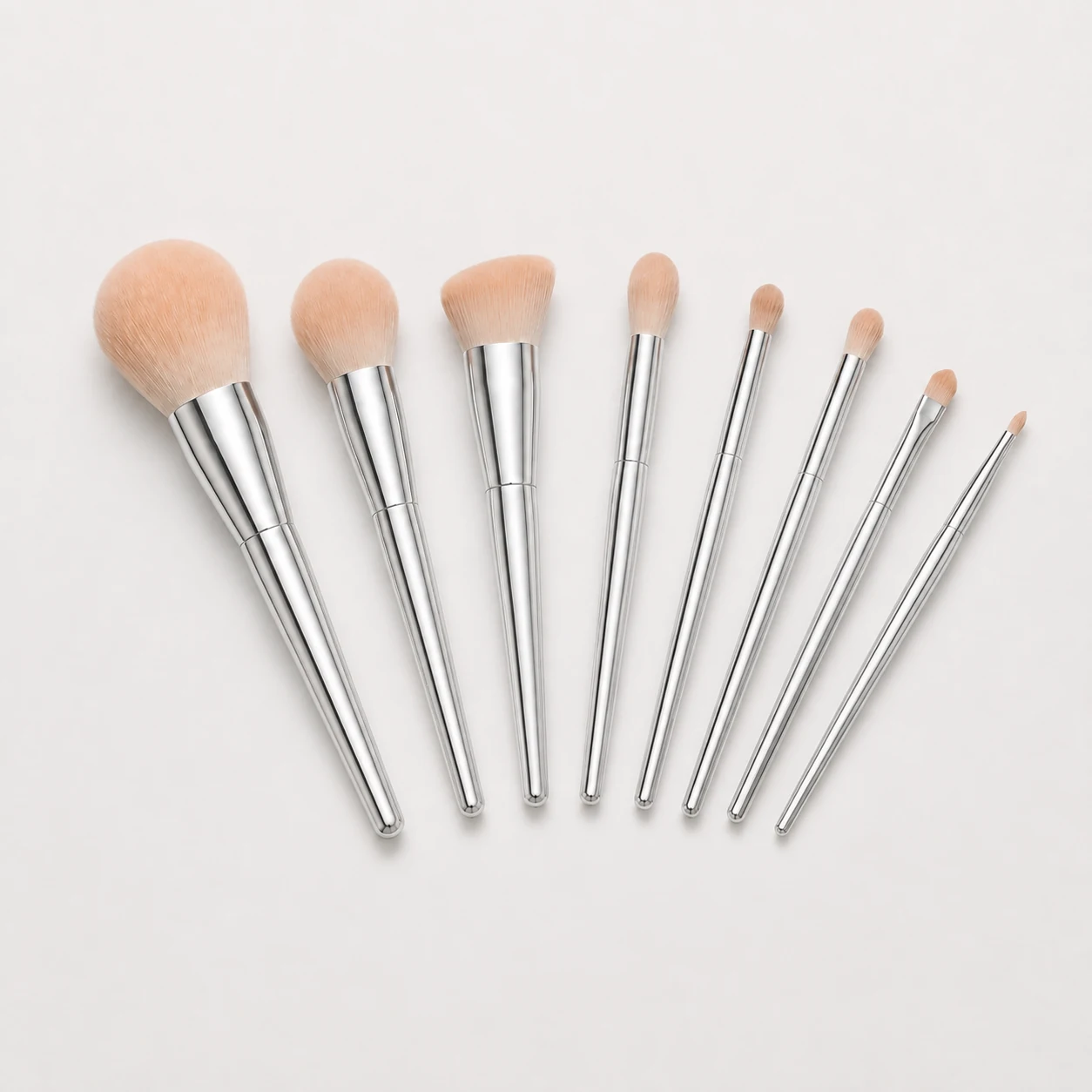
05 · Your brush mix
Combine the face and eye brush shapes your customers need. Bring an existing line-up, or start by discussing the role of each brush.
What we review with you: Build a proposed list of brush roles and references, with quantities and a shared finish for your quotation.
Include these details in my enquiry →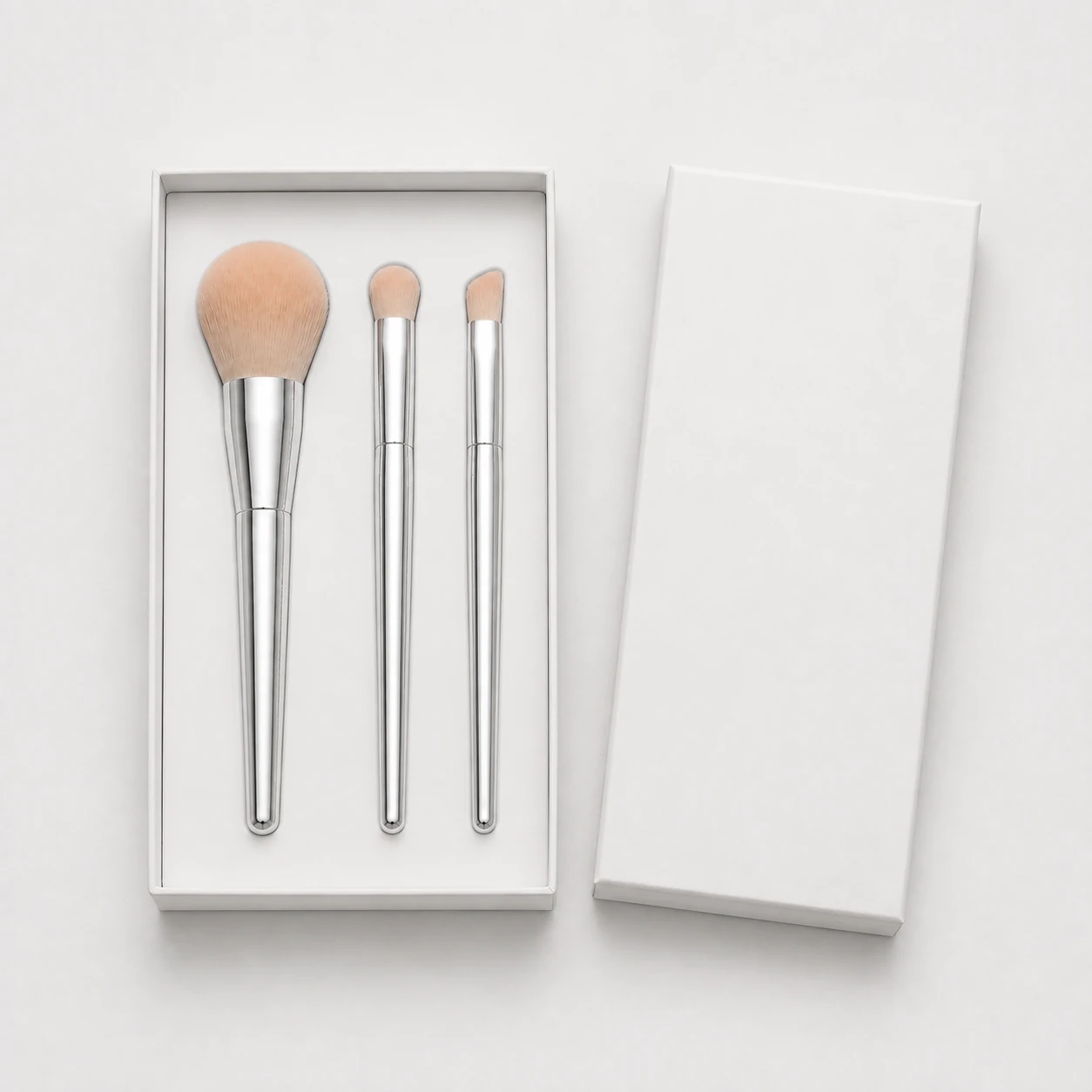
06 · Packaging & presentation
Choose a case, pouch or box to suit the brush sizes and how the set will be used. Review the layout, head protection, materials and artwork together.
What we review with you: Review a packaging layout around the brush dimensions, including protection, materials and artwork.
Include these details in my enquiry →Build a starting brief
Choose how many of each brush you would like in one set. These numbers describe the mix—not the order quantity.
No brushes selected yet.
Discuss a collectionFinal brush mix, materials, packaging and minimum order are confirmed for your project.
How custom development works
Start with your idea, drawing, reference sample or brush mix. Tell us the intended use and the details that matter to your brand.
Choose the brush shape, materials, finish, logo placement and packaging. Record the agreed details so the sample can be reviewed against a clear brief.
Agree what the sample will include, its cost and the expected schedule. Review the physical sample and identify any revisions before approving it.
Approve the final sample and artwork, then confirm quantity, packaging, inspection requirements and delivery terms before production.
Before development begins
Begin with the formula, application task and feel you want to assess. Confirm fibre composition from the specification and supporting information; appearance alone does not identify a material or animal species.
Review fibre selection →The brief can include handle colour and finish, artwork placement, the brush mix and packaging. The marking method, scale and final appearance are reviewed against the chosen material and physical sample.
Explore branding options →Compare it with the agreed dimensions and component specification. Review application with the intended formula, grip, head profile, connections, finish and cleaning. Agree the methods and acceptable results before production.
Plan your sample review →Our production sequence includes both stages before packing. The items, methods, sample selection and acceptance rules need to be agreed for your order. A process step alone does not establish a test result or zero defects.
See the inspection stages →Yes. Specify the role of every brush, then plan the case, pouch or box around the brush sizes, protection and presentation. Confirm which components are included in the quotation.
Plan a coordinated collection →No. Original photographs and marked drawings document particular references. Styled images and interactive previews show visual choices. Final materials, dimensions, brush mix and logo placement are confirmed through sampling.
Read the product image and specification notes →Questions before sampling
Approve colour, finish and artwork on the actual construction.
Yes. PRETTY develops and produces individual makeup brushes and coordinated sets for beauty brands. To customise an existing design, send its reference number and list the brush shape, materials, handle and ferrule finishes, logo and packaging you want to retain or change. For a new design, send your idea, drawing or reference sample and describe its intended use. We review the proposed specification and sampling with you; review and approve the physical sample before confirming production. For a collection, include the role and quantity of each brush and the complete packaging scope.
Start with the BH01–BH35 and BK01–BK32 numbered brush references to compare the measurements shown in their drawings. Our separate library of 72 brush-head profiles helps you discuss the shape you want to develop. Choose the references that suit your application, then send the model or head numbers with the dimensions and features you want to retain or change.
We review the brush shape and dimensions, component choices, finish, artwork and packaging with you before arranging sampling. Use the physical sample to agree the feel and application with your intended formula, and record any revisions. The approved sample, final artwork, order quantity, packaging scope and agreed quality checks then provide the basis for confirming the production order and its schedule.
Yes. Use the project enquiry form on this website and provide an email address for our reply. You can include selected brush references and your requirements, then choose Send project enquiry. The form shows a receipt when your submission is accepted. WhatsApp and email drafts are alternative contact options; opening a draft does not submit the website form.
Discuss the head profile and fibres, dimensions, handle, ferrule finish, colour, logo, set contents and packaging. Start from a produced reference when useful, then state changes separately. Feasibility, minimum quantity and sample arrangements depend on the complete specification.
Give a colour code where available and a physical reference for the intended gloss, matte or translucent finish. Review the colour on the actual handle material under agreed lighting. A screen image is useful for direction but cannot approve the finished colour by itself.
Compare physical ferrule samples under the same lighting, including several viewing angles, because metallic surfaces reflect their surroundings. Agree a retained colour-and-finish reference and review the brush as a complete assembly. Do not approve a metal finish from a small colour swatch alone.
Reserve a readable area that remains visible in the intended holding position and does not cross the ferrule junction or a curved end. Mark the proposed position and dimensions on a drawing. Review it on the actual short handle before approving the artwork.
Try an appropriate wordmark size or orientation within the available printable area, then inspect a physical mark at normal viewing distance. Check fine lines and spacing on the curved surface. If the full logo cannot remain readable, agree an approved compact version with the brand owner.
Confirm that the method suits the selected material, finish, logo detail and position. Inspect the physical result for alignment, legibility and contrast, then agree any wear or care check required for the intended use. A mock-up does not demonstrate adhesion or marking durability.
Define common colours, logo orientation and placement rules, then allow size adjustments for each handle. Put the complete collection side by side to review proportions and readability. Keeping the same artwork dimensions on every brush can produce inconsistent results across very different diameters.
A patterned produced collection is available as a development reference. For your own design, supply an original or authorised pattern and identify the required colours, placement and finish. Review how the artwork wraps and aligns on each handle; confirm construction and finish on a custom sample.
Supply vector artwork when available, with the intended colours, dimensions and placement, plus a reference showing the desired orientation. Identify any minimum clear space or permitted compact logo version. Confirm that you have permission to use the artwork and approve a physical sample of the mark.
Keep the artwork version, marked placement drawing, actual size, colour and finish reference together with the approved physical sample. Date the approval and list any exceptions. If one brush needs different positioning, record it by code so the instruction applies to the correct item.
Send an idea, a drawing or your selected brush references. Tell us what you want to customise, and we will review the options, quotation and sample requirements with you.
Start your project