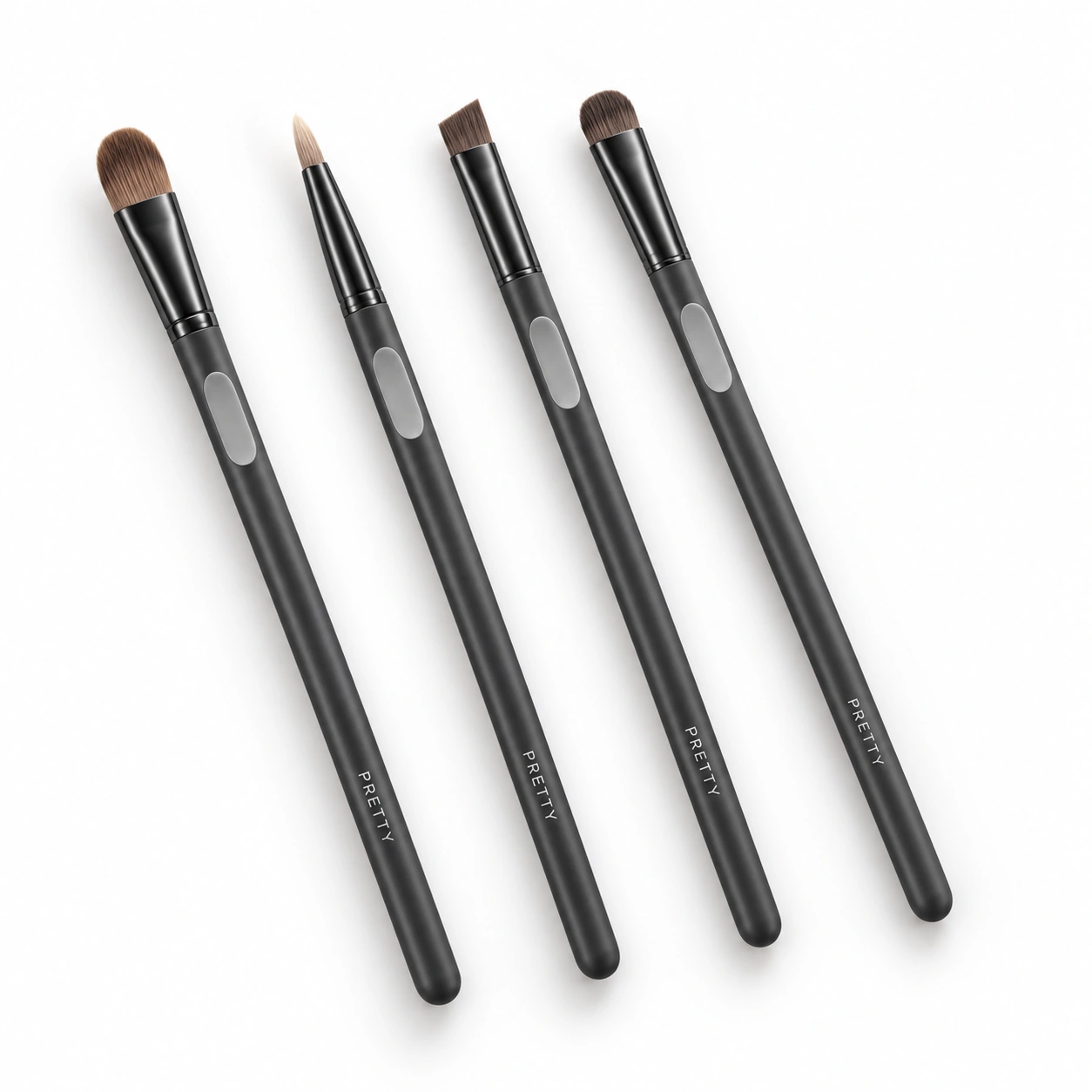
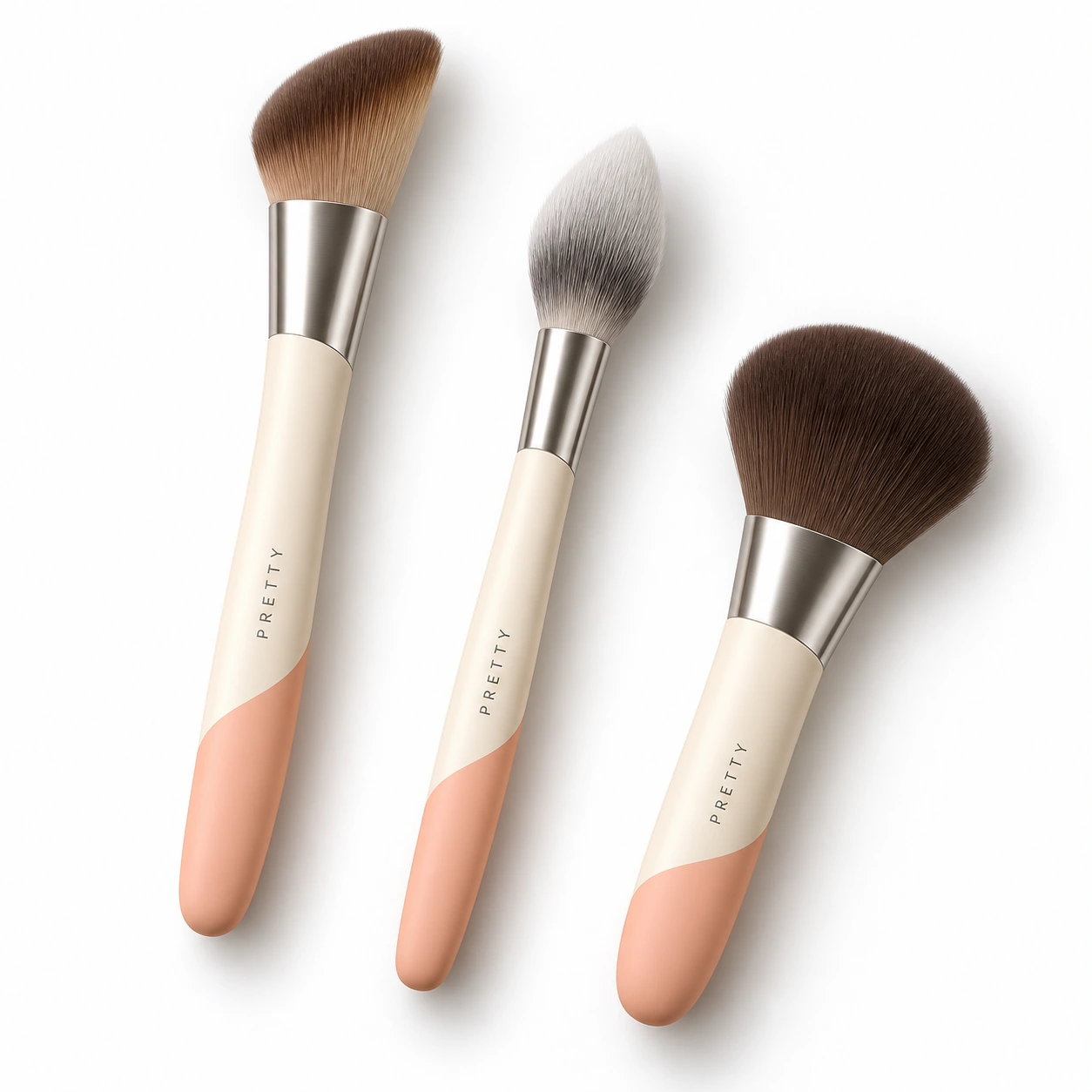
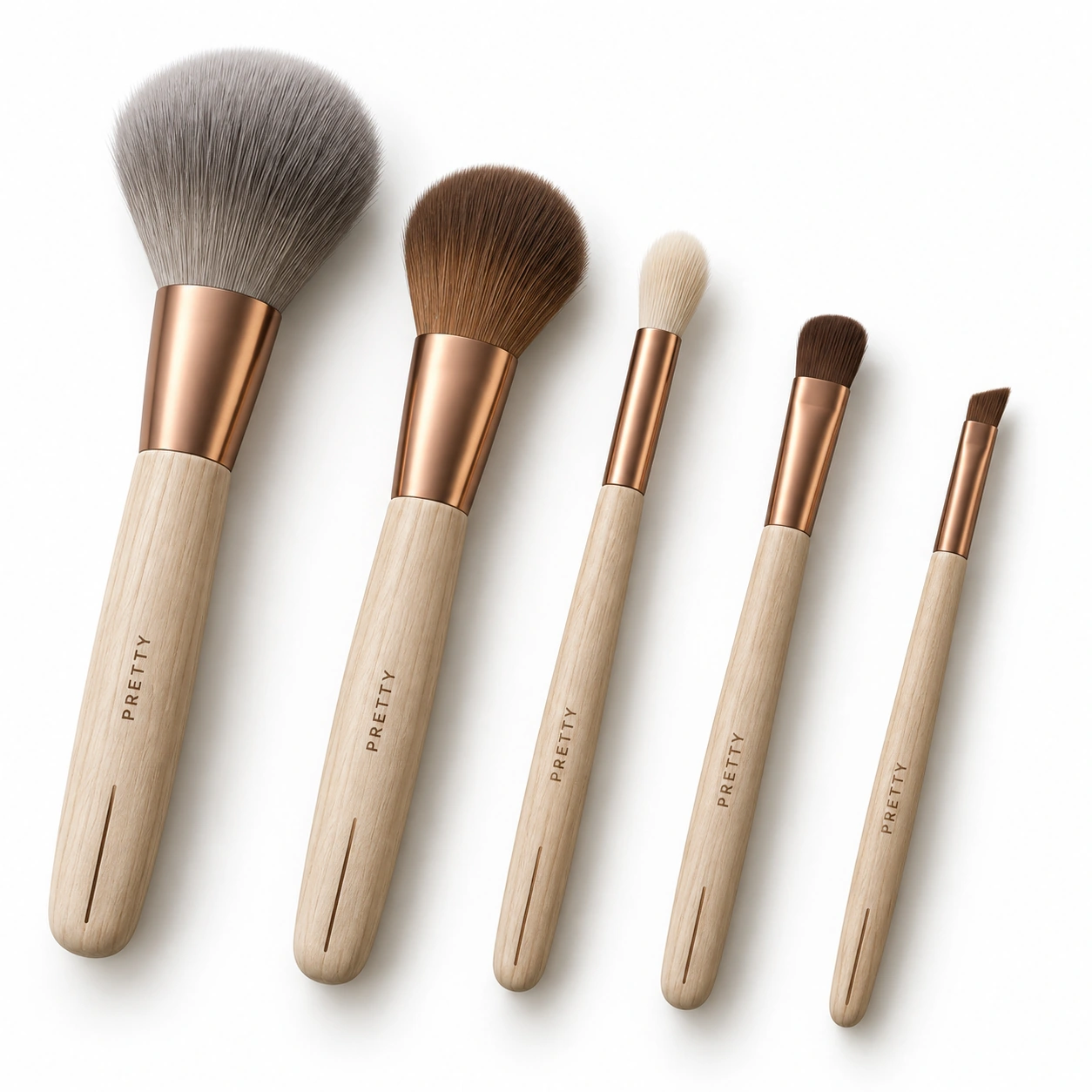
From public user feedback
Less work between uses
Washing and waiting for brushes to dry can interrupt an everyday routine.
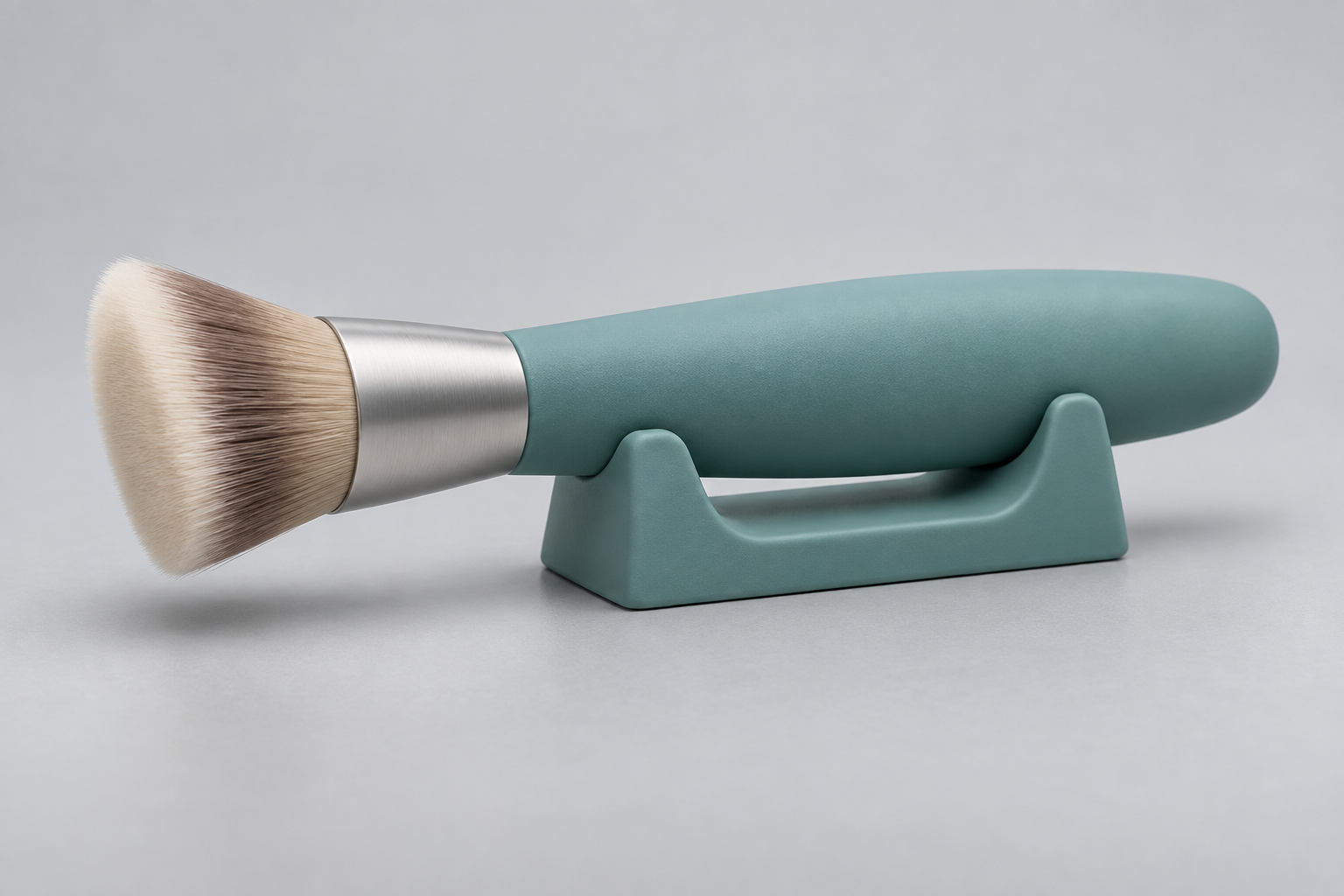
A direction to explore: Explore an open drying rest, accessible surfaces and a care card matched to the selected fibres and bonding system.
Before making a claim: Compare residual moisture and cleaning effort under a written protocol. Agree care instructions before making a drying-time claim.
Explore Travel Air →Research: I hate to clean my brushes · How do you dry brushes? · American Academy of Dermatology: cleaning makeup brushes
From public user feedback
Fibres that stay in place
Loose hairs in makeup and changes after washing undermine confidence in a brush.
A direction to explore: Make fibre retention and assembly durability a named sample-review topic across the range.
Before making a claim: Record loose-fibre counts, head movement and bond condition before and after agreed wash and use cycles.
Explore Easy Hold →Research: Favorite non-shedding foundation brushes? · Ruined my brushes: care advice requested
From public user feedback
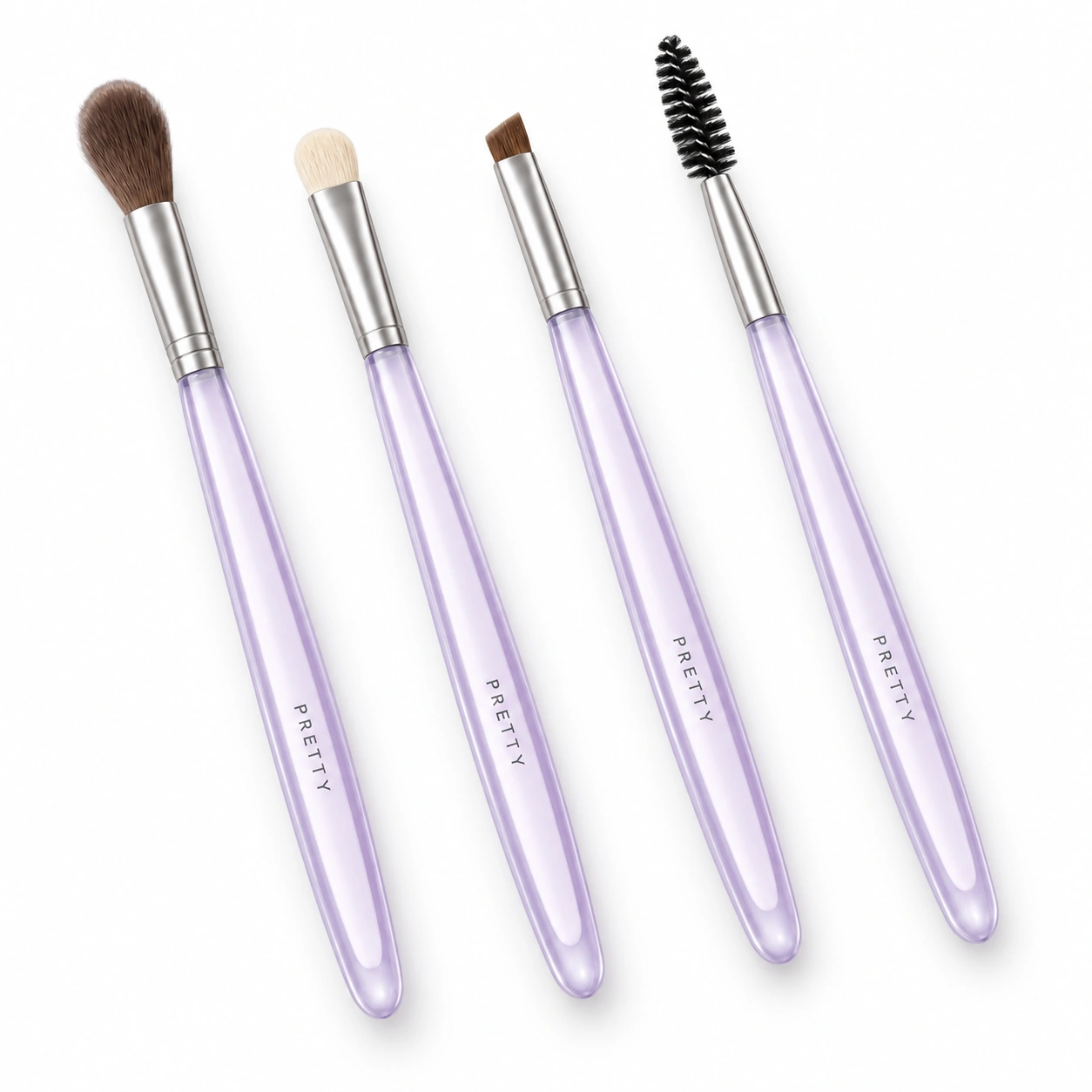
A feel worth sampling
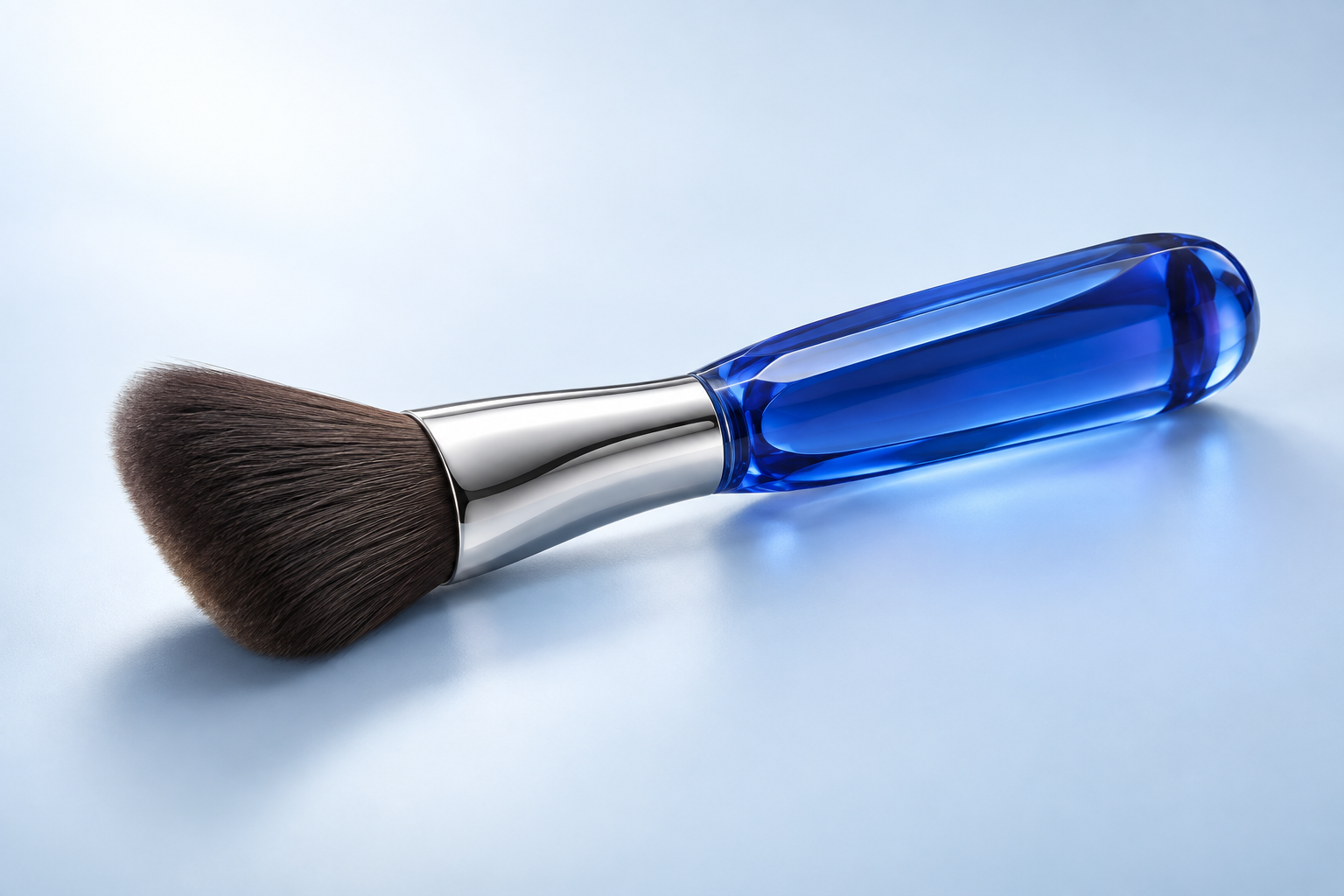
A brush can look soft in a photograph and still feel scratchy to its user.
A direction to explore: Compare fibre tips, density and head flexibility using physical samples, with more than one user preference represented.
Before making a claim: Use a consent-based handling and comfort panel; do not promise irritation-free use from an image or fibre label.
Explore Prism Glass →Research: Makeup brushes that do not feel scratchy
From public user feedback
A brush matched to the formula
Visible streaks and uneven blending can depend on the formula, brush and technique together.
A direction to explore: Develop a foundation head alongside the intended liquid or cream and a simple application guide.
Before making a claim: Compare coverage, visible marks, pickup and residue with fixed formula amounts and consistent application steps.
Explore Easy Hold →Research: My foundation brushes always leave streaks
From public user feedback
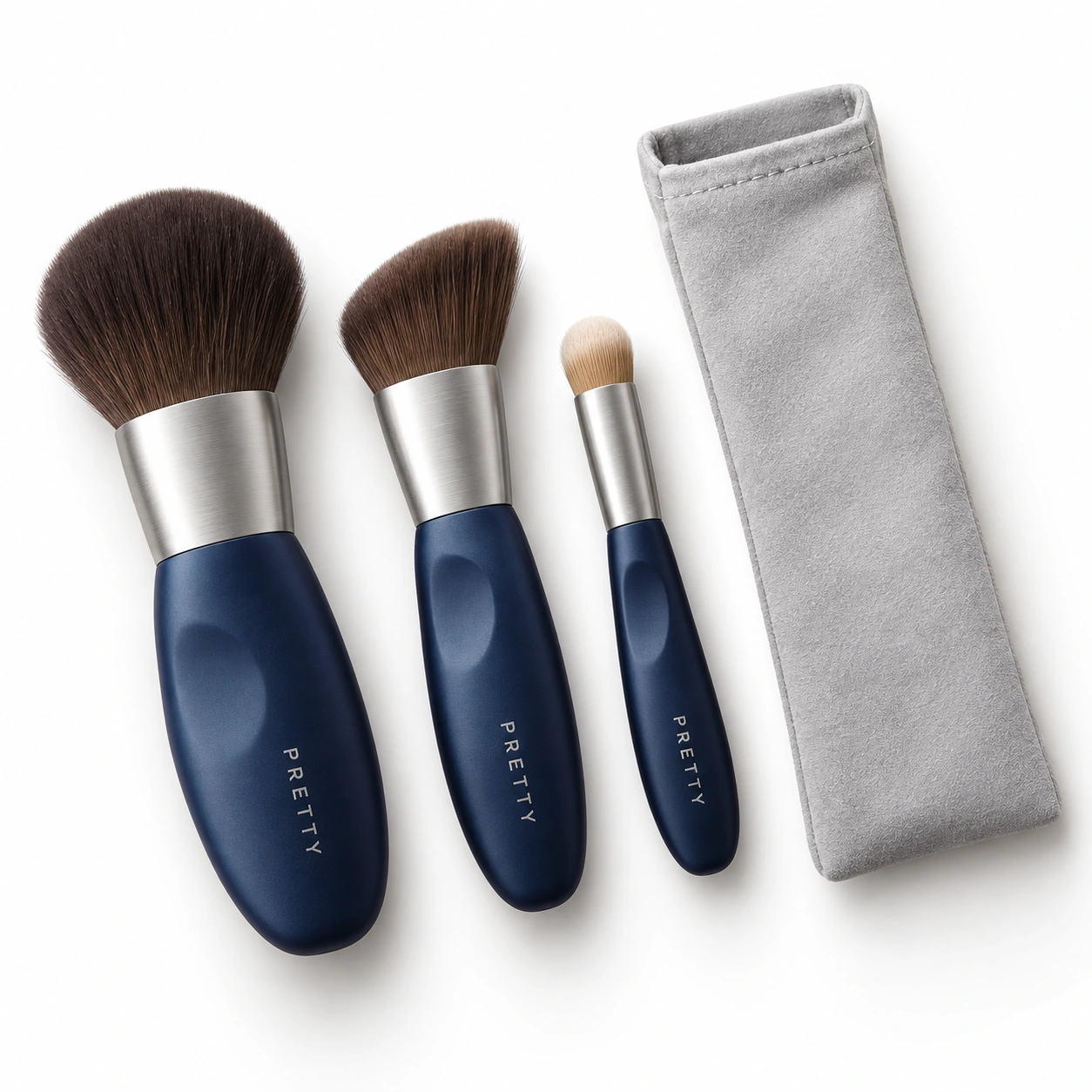
More ways to hold it
Some users find thin handles difficult to grip; others need a slimmer grip for precise control.
A direction to explore: Explore a fuller oval handle and rest alongside slimmer options. Let users compare the weight and balance.
Before making a claim: Check controlled placement, fatigue feedback and dry/damp grip with varied hands. This is a design study, not a medical claim.
Explore Easy Hold →Research: Makeup brushes for arthritis · Difficulty using makeup
From public user feedback
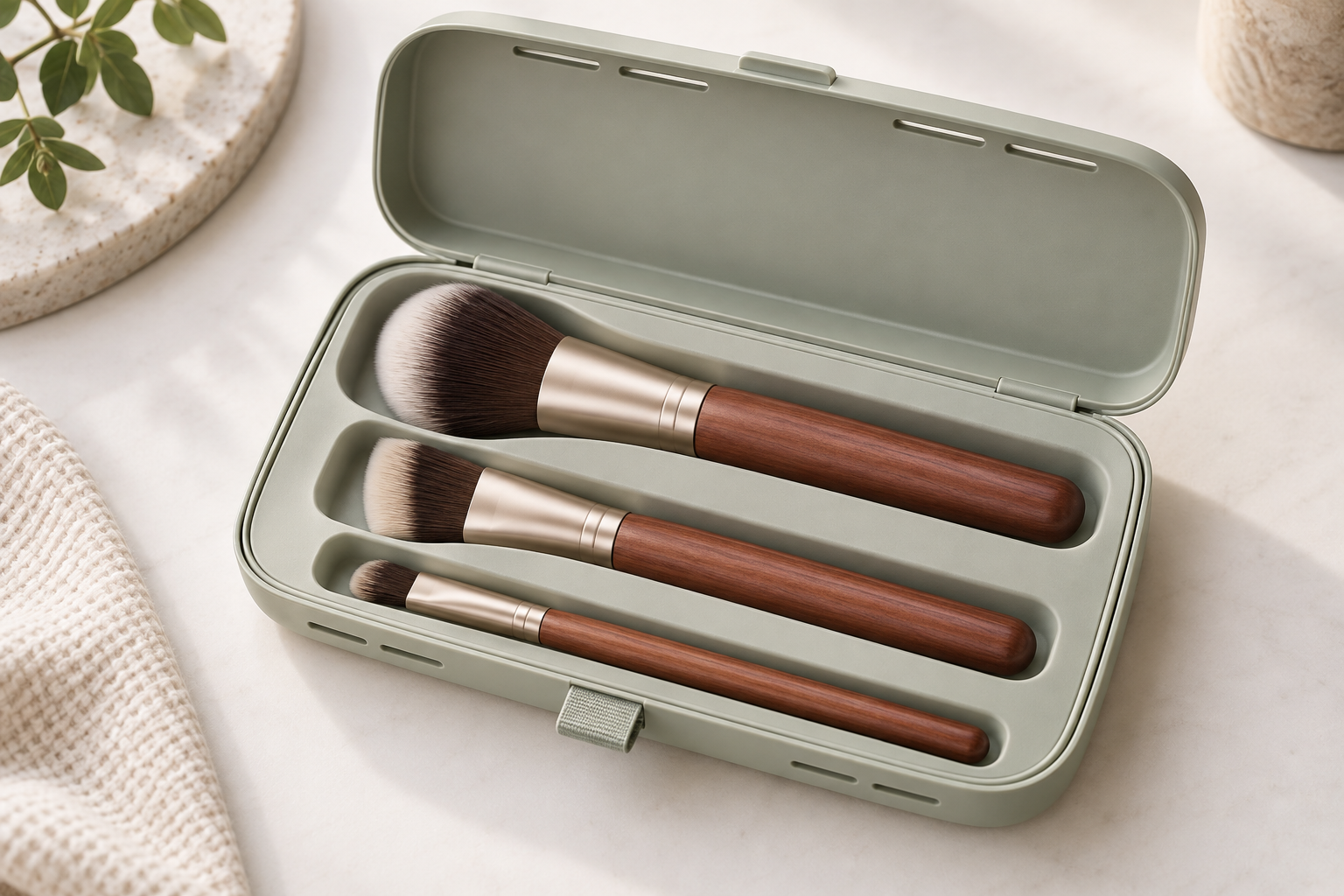
A place for both ends
Travel cases can be bulky, and double-ended brushes need space around both heads.
A direction to explore: Explore a shaped tray that supports handles, with clearance around brush heads and a separate place for used tools.
Before making a claim: Check clearance, compression and cleaning access. Pack only after drying; vents alone do not prove hygienic storage.
Explore Travel Air →Research: How to travel with eyeshadow brushes · Storing double-ended makeup brushes · American Academy of Dermatology: cleaning makeup brushes
From public user feedback
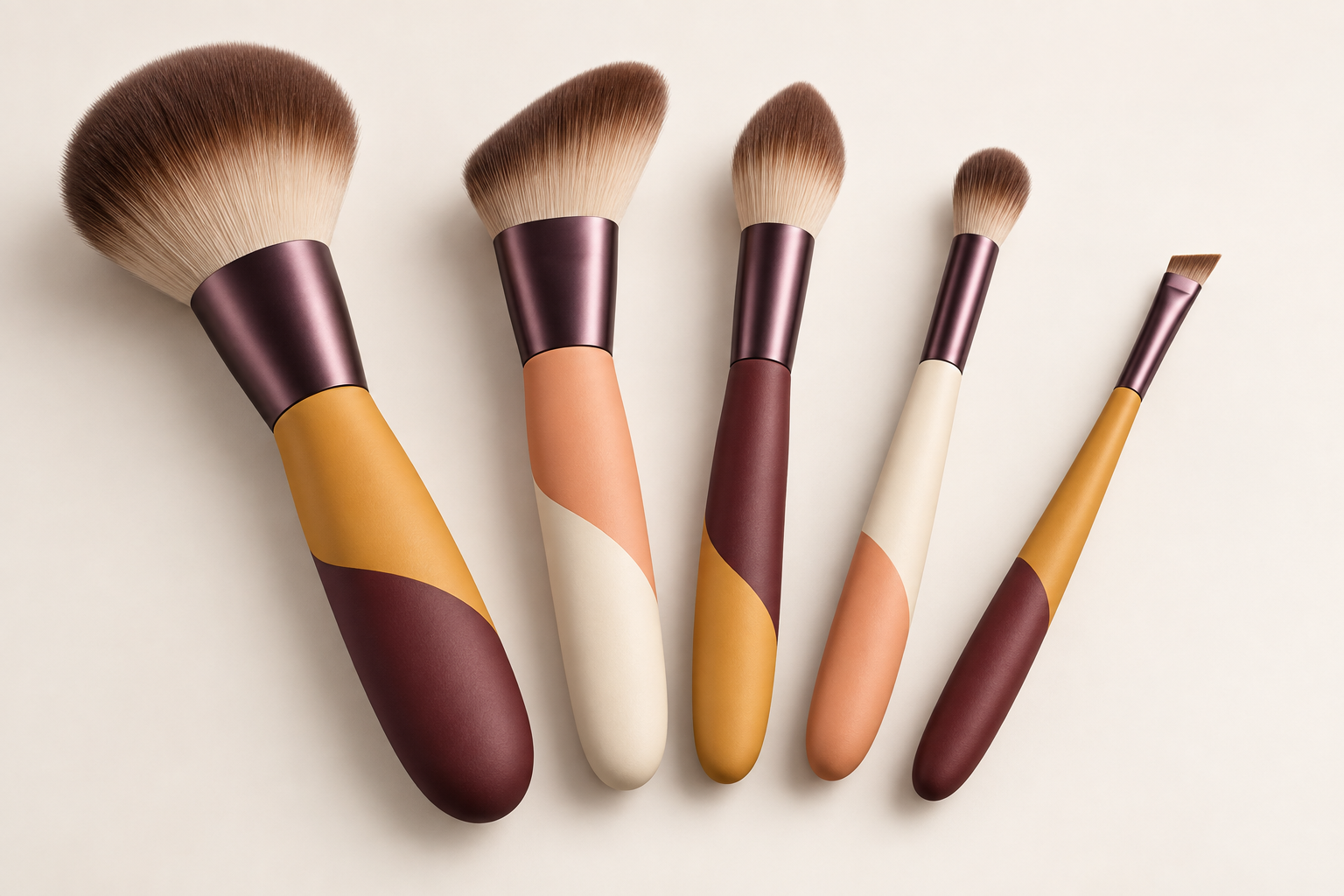
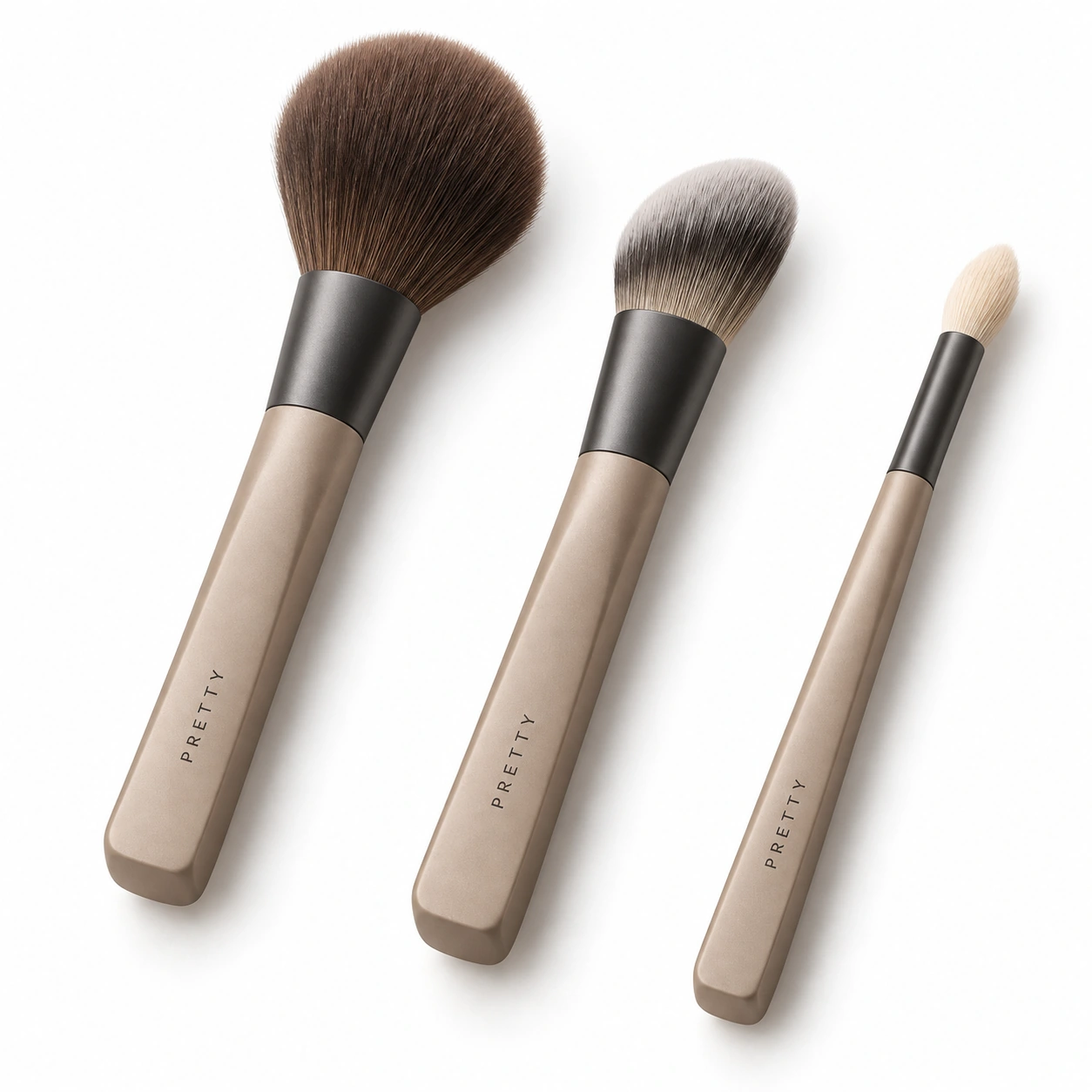
A collection that is easy to read
Similar-looking brushes can leave beginners unsure what each brush is for.
A direction to explore: Pair the Colour Orbit palette with plain role names and optional tactile marks, so identification does not depend on colour alone.
Before making a claim: Ask unfamiliar users to select the right brush for a task; check legibility and marking durability after cleaning.
Explore Colour Orbit →Research: Real Techniques haul: brush-role question · Sigma Beauty: individual brushes versus brush sets
Design hypothesis
Decoration with a practical brief
A more expressive design still needs to be comfortable to hold, carry and clean.
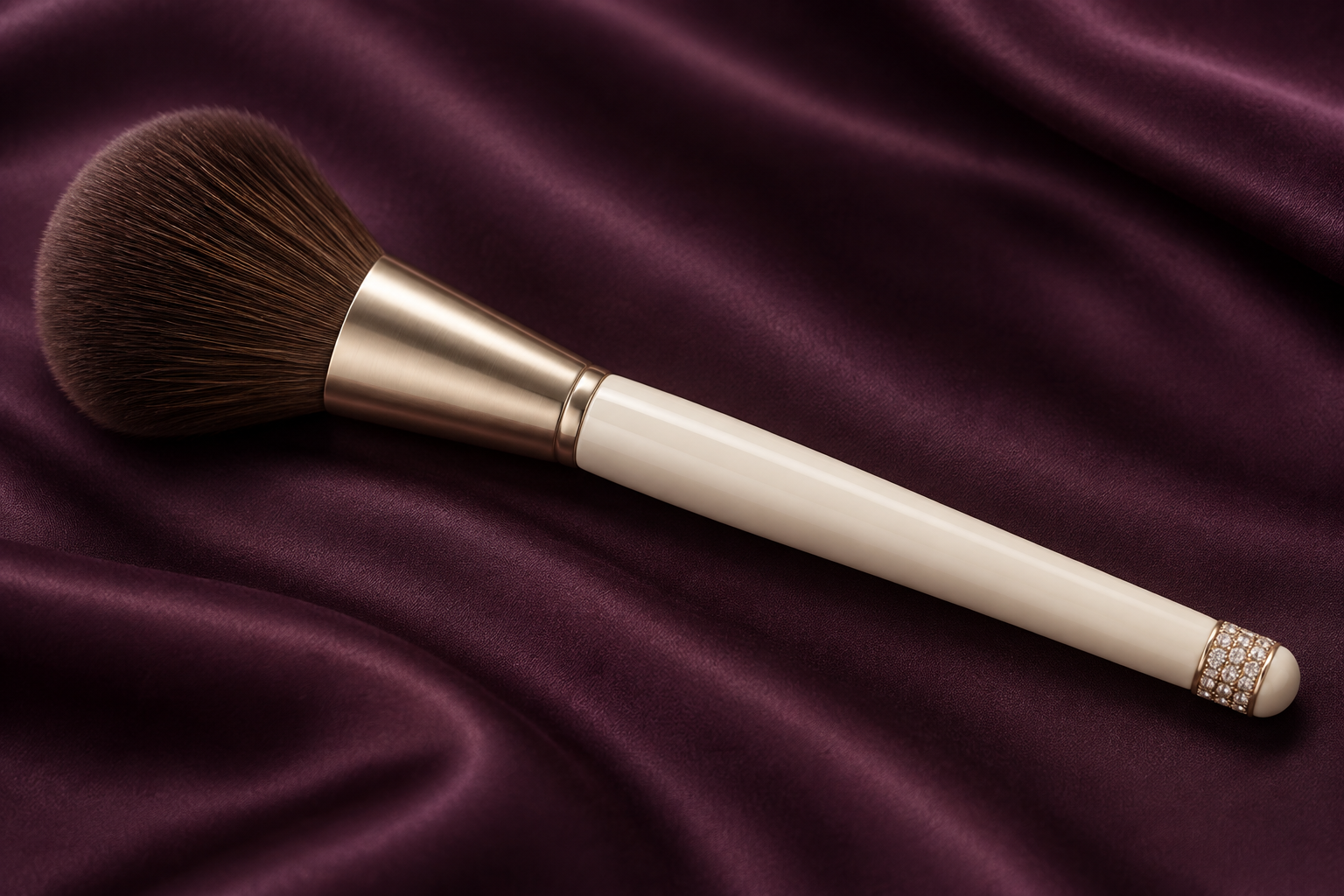
A direction to explore: Keep a crystal accent away from the main grip; round glass surfaces and compare weight before choosing the material.
Before making a claim: Glass impact and edge checks, crystal retention, surface cleaning and packaging trials belong in development. No test result is claimed.
Explore Jewel Cuff →PRETTY design hypothesis, prompted by the requested glass and crystal directions; not a measured consumer complaint.

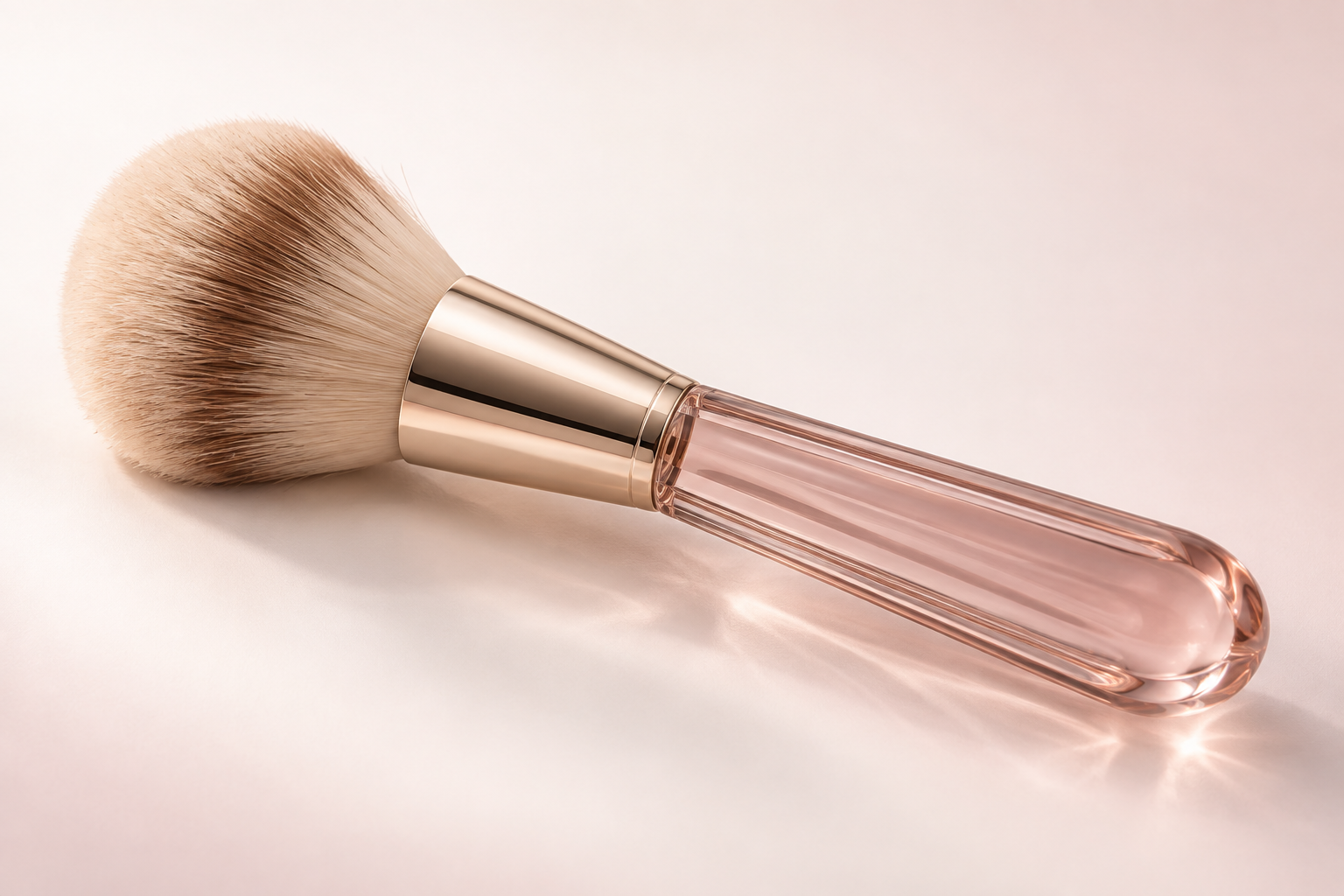 Glass & lightThick, rounded glass-handle study · Soft rose and champagne colour direction