Should my makeup brush use natural hair or synthetic fibres?
Choose around the formula, application motion and required feel, then compare physical samples with documented fibre specifications. PRETTY’s 67 numbered drawing references are listed as synthetic; a white or two-tone head is not proof of its material.
| Fibre type | What to consider | What to confirm |
|---|---|---|
| Synthetic fibres | Fibre diameter, taper, texture and flexibility can be developed for different applications. | Polymer specification, blend, supplier documentation and performance with your formula. |
| Natural hair | Characteristics vary by species, grade, hair length and processing. | Exact species, origin, treatment, destination requirements and sample performance. |
| Blended fibres | A combination may balance feel, resilience and application control. | Every component and proportion; a two-tone appearance does not prove a blend. |
There is no single best material for every brush.
Begin with what the brush should do: sweep a fine layer of powder, build colour gradually, blend a cream or place concealer precisely. The fibre works together with the head shape, exposed length and density. A material name alone cannot tell you how the finished brush will apply makeup.
Synthetic does not mean liquid-only.
Synthetic filaments are also engineered for powder application. PBT and PTT are examples used in brush manufacture, but the polymer name alone does not describe the finished feel or pickup. Ask for the actual fibre specification and compare samples with the intended product.
Natural hair needs a more precise description.
Goat, squirrel and other hair types have different characteristics; their names are not a universal ranking of quality. Trade names and grades may differ between suppliers. Before selecting an animal-derived material, establish the species, source and applicable destination requirements.
Bristle colour does not identify the material.
You cannot identify the fibre from a white, brown or two-tone brush head. Our visual configurator shows colour choices, not confirmed material specifications. Record the chosen fibre in your project brief and review it during sampling.
Tell us what you want to compare in a sample.
Share your formula type, desired coverage, preferred feel, customer use and target sales countries. Agree a small set of samples to compare under the same conditions. Record the selected fibre and construction in the approved specification before production.
Technical references & scope
Sources & scope
Industry references inform this guide; they do not certify a PRETTY product or imply a partnership. Confirm product-specific specifications and claims through your project.
Plan your next step
Ready to discuss your project?
Tell us which brushes you want to develop, how they will be used and what you would like to customise. Add the points from this guide to your enquiry so we can review the specification and sample requirements with you.
Tell PRETTY which formula you are developing for, the feel you want and any material exclusions. We can use your selected profile to discuss fibre options and a sample comparison.
Discuss fibre options with PRETTY →Compare numbered synthetic designsApply this to your product brief.
These two recorded powder designs offer different starting dimensions within the supplied synthetic range. They are not a natural-versus-synthetic performance test.
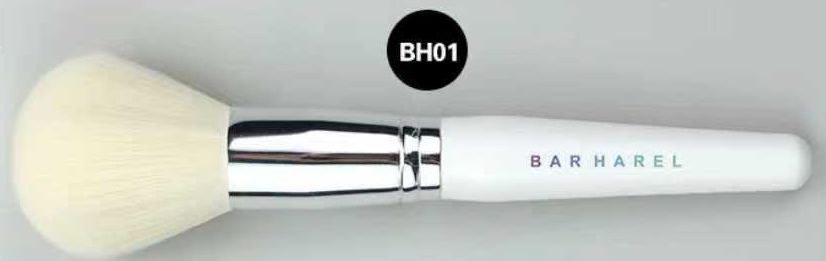
BH01 · Powder brush
41 mm head width · 48 mm exposed bristles
Overall: 125 mm
Use BH01 in this brief →
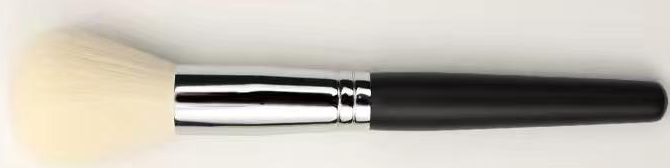
BK01 · Powder brush
45 mm head width · 47 mm exposed bristles
Overall: 141 mm
Use BK01 in this brief →