What should I approve before makeup brush bulk production?
Approve an identified sample and specification covering dimensions, materials, application, connections, finish, logo and packaging. Record review conditions, accepted details and unresolved revisions. Agree which checks cover every unit and which require selected samples or separate tests.
| Review item | What to record | Decision before approval |
|---|---|---|
| Identity and dimensions | Product code, drawing version, material specification and measurement points. | Confirm the selected construction and any open dimensions. |
| Application | Formula, motion, amount and observations about pickup, placement and blending. | Agree which result is acceptable for the intended use. |
| Connections and finish | Alignment, gaps, loose fibres, colour and logo placement. | Define acceptance criteria and any separately specified strength or wear test. |
| Care and shape | Agreed care procedure and the observed condition afterwards. | Resolve changes in shape, fibre condition, finish or assembly. |
| Set and packaging | Contents, protective inserts, labels and packed sample. | Approve the complete configuration rather than the brush alone. |
Identify the sample being approved.
Give the sample a code and retain the associated drawing, finish reference, logo artwork and packaging version. Record proposed changes separately from accepted details. If a revised sample is needed, identify which version supersedes the previous one; a conversation such as “make it softer” is not a complete production instruction.
Use the intended formula and a repeatable review.
For a foundation brush, record the formula and examine placement, blending and remaining brush marks. For a powder brush, examine pickup, release and build-up. Define the application motion and review conditions so two samples can be compared fairly. This checklist proposes a review method; it does not report PRETTY test results.
Connect sample approval to the production process.
PRETTY’s process page sets out 28 recorded production steps, including head-shape and dimension checks, finishing inspections, full inspection and sampling inspection. Those stages show where checks fit into production. A stage name does not specify a pull force, a test cycle count or an acceptance limit: agree the method and criteria for your order.
Distinguish full inspection from a test on selected units.
Confirm which visible or measurable characteristics are checked on every brush and which tests use selected units. A strength or wear test may require a separate method and may be destructive. Ask how defects are recorded, what happens to nonconforming units and when a revised sample or corrective action is required.
Approve the packed product and keep the record.
Review the complete set contents, logo orientation, head protection and packaging with a physical sample. Record accepted details, requested revisions and unresolved items in one approval note. Production scope, quantities and timing should refer to that agreed version; an attractive sample photograph alone is not approval of every specification.
Put the idea into a brief
What should your brush do?
Bring your formula, customer context and preferred feel. We will discuss the brush, materials and paid sample together.
Add these checks to your sample brief →Explore relevant brushesApply this to your product brief.
Powder and foundation references need different application reviews even when they share checks for dimensions, connections, finish and packaging.
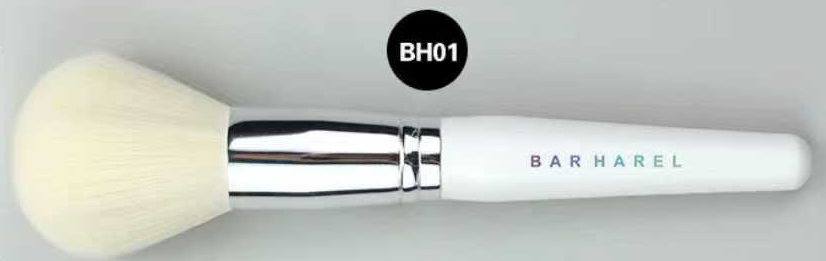
BH01 · Powder brush
41 mm head width · 48 mm exposed bristles
Overall: 125 mm
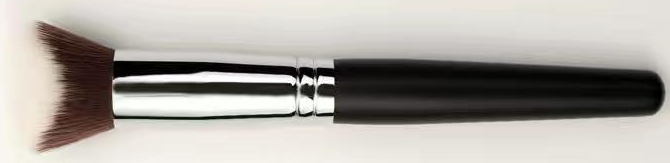
BK07 · Flat foundation brush
35 mm head width · 27 mm exposed bristles
Overall: 140 mm
